Beaches, views and village charm
If you’re planning a Corsica beach holiday and looking for a mix of turquoise waters, charming towns and mountain views, this Porto-Vecchio travel guide covers everything from quiet coves to old town strolls.
During our 3 months living in Corsica, we spent a full day exploring Porto-Vecchio – starting at a beautiful nearby beach, heading into town for lunch and sightseeing, then finishing at another stunning stretch of sand.
Honestly, we could easily see ourselves being based here next time we’re on the island!
Some of the best beaches in Corsica are just a short drive from Porto-Vecchio – and trust us, they really are as beautiful as they look in the photos.
In this travel guide, we’ll take you through what to do in Porto-Vecchio, the best hotels, how to get around, the best time to visit, the best beaches near Porto-Vecchio, as well as our top tips for making the most of your stay.
Where to stay in Porto-Vecchio:
- Luxury: Casa Santini x Roc Seven – A beautiful boutique hotel by the water just north of the marina, with a lovely garden and breakfast included in the stay.
- Value for Money: Citta di Lume Suites & Lofts – Stylish, loft-style accommodation with a pool and parking, just a short walk from the old town.
- Budget: En Aparté – Apartments with balconies, small kitchens and access to the neighbouring hotel’s pool.
Search for the best hotels in Porto-Vecchio here.
Table of contents

Why visit Porto-Vecchio
In our opinion, Porto-Vecchio has plenty to tempt travellers – from its famous white-sand beaches to the cobbled streets of the old town and the short drive into Corsica’s rugged interior.
The old town itself felt relaxed, with small squares, stone houses and incredible views over the bay.
Down by the water, the marina is the place for a slow evening walk or a drink with sea views.
Those with a love of history can wander the Genoese citadel, while beach lovers (like us) can head straight for the crystal-clear bays of Santa Giulia or Palombaggia.
If you’re wondering what to do in Porto-Vecchio, expect a mix of laid-back coastal charm and easy access to some of southern Corsica’s highlights.
A day trip to Porto-Vecchio gives a good balance of history and beach time if you’re staying elsewhere, but many travellers use the town as their base for a Corsican beach holiday, with some of the best beaches near Porto-Vecchio just minutes away.


Where is Porto-Vecchio?
Porto-Vecchio is in southern Corsica (a French island in the Mediterranean Sea), on the island’s southeast coast.
It sits between the mountains and the sea, overlooking a natural harbour that was once a salt marsh – which is how it picked up the nickname “City of Salt”.
The town of Porto-Vecchio is about 30 minutes from Figari airport, and around 2.5 hours by car from the island’s capital, Ajaccio.
Everything you need to know about Ajaccio in Corsica, including what to do and when to visit
Read moreBest things to do in Porto-Vecchio
There’s no shortage of things to do in Porto-Vecchio.
Start your day with a coffee in the old port, take a stroll through the historic citadel, or spend the afternoon lounging on the beach.
While the town itself isn’t that large (most of the main sights can be seen in half a day), we think the surrounding coastline makes it well worth staying longer.
If you’re wondering what to do in Porto-Vecchio beyond admiring the sea views and sandy coves, we have a few ideas for you!
Here are the best things to do in Porto-Vecchio.
- Genoese Citadel of Porto-Vecchio (Old Town) – Cobblestone streets, stone houses and coastal views
- Porte Génoise – Old city gate with great views
- Église Saint-Jean-Baptiste – Modest granite church
- Place de la République – Main square in the old town
- Bastion de France – 16th-century fortress with a panoramic terrace
- The marina – Restaurants, cafés and a view of the boats
- Local market – Fresh produce on Place de l’Hôtel de Ville
- Salt marshes – Salt flats, great for walks and birdwatching
- Plage de Santa Giulia – Beach with shallow, clear water and soft sand
- Plage de Tamaricciu – Beautiful beach south of Palombaggia
- Plage de Palombaggia – One of Corsica’s most famous beaches
- Plage d’Acciaghju – Quieter beach near Tamaricciu
- Plage de Rondinara – Curved bay with calm water
- Other beaches nearby Porto-Vecchio – More beautiful stretches of sand
- Day trips from Porto-Vecchio – Mountain hikes, prehistoric ruins and boat trips
Map of the best things to do in Porto-Vecchio
1. Genoese Citadel of Porto-Vecchio (Old Town) – Cobblestone streets, stone houses and coastal views
Porto-Vecchio’s old town is the historic part of the town with the Genoese citadel – a small but lively network of narrow cobblestone streets, shaded squares and stone houses.
It’s the kind of place that invites you to slow down, perfect for aimlessly wandering and stopping for a cold drink or a scoop of gelato whenever you feel like it.
We had yummy gelato at La Gelateria by L’Art de la Glace.
Though the old town is compact and easy to explore in an hour or two, the atmosphere makes it worth lingering.
You’ll find quiet corners, little boutiques, plenty of restaurants and a good dose of charm.
Some of the best things to see in the old town are just ahead in our Porto-Vecchio guide.


2. Porte Génoise – Old city gate with great views
The Porte Génoise is one of the original city gates of Porto-Vecchio’s old town, and we think it’s one of the best spots for a view.
We actually arrived in the old town by following the road that leads through the gate itself, but if you’re coming from the main square, it’s just a short walk away.
Right in front of the arch, there’s a vantage point where you can look out over the coastline and see the marina in the bay below.
It’s a small stop, but it’s perfect for a photo or just a quiet moment to take in the setting.


Everything you need to know about Bastia in Corsica, including what to do, when to visit and our top tips
Read more3. Église Saint-Jean-Baptiste – Modest granite church
Église Saint-Jean-Baptiste is a modest 19th-century granite church in the old town, and it’s easy to miss it if you’re not looking for it.
Step inside, though, and you’ll find colourful stained-glass windows and a few old frescoes that add character to the otherwise simple interior.
Right next to it is the Chapelle de la Sainte Croix – a small 17th-century chapel that’s often open, too. It’s worth a quick look while you’re there.


4. Place de la République – Main square in the old town
Right next to Église Saint-Jean-Baptiste, you’ll find Place de la République – a relaxed and central spot that naturally invites you to take a break while exploring the old town.
This is the main square in Porto-Vecchio’s centre.
It’s lively, tree-shaded and edged with cafés, restaurants and a few small shops. There’s even an old-fashioned carousel that adds a bit of charm.
During our visit, locals were drinking coffee and visitors were lingering over lunch or an ice cream.


5. Bastion de France – 16th-century fortress with a panoramic terrace
Bastion de France is a 16th-century fortress located at the edge of the citadel.
It was built to defend Porto-Vecchio from coastal attacks, but today it houses a small museum with rotating exhibitions.
When we visited, there was a local photo series on display and entry was free.
The main draw is the panoramic terrace. For 2 euros (~ 2.3 USD)* per person, you can take in the beautiful views over the bay and out towards the mountains, with signs identifying the surrounding peaks.
*The price is from 2026.


6. The marina – Restaurants, cafés and a view of the boats
The marina in Porto-Vecchio is a lovely place for a walk, lined with cafés, restaurants and a steady view of boats bobbing in the harbour.
We parked down here (at this paid parking lot) and had lunch at Café La Marine before heading up to the citadel.
It’s a laid-back area that works well for a morning coffee, an afternoon drink or a quick pause before or after exploring the old town.

7. Local market – Fresh produce on Place de l’Hôtel de Ville
We didn’t catch it ourselves, as we weren’t in town on a Sunday, but every week the Place de l’Hôtel de Ville turns into a small market space.
From early morning until around 13:00, local stalls set up with seasonal fruits and vegetables, handmade goods and regional products.
It’s a good spot to get a feel for local life, and if you’re self-catering, it’s certainly a handy place to pick up some fresh ingredients.
All you need to know about hiking at Pointe de la Parata near Ajaccio, Corsica
Read more8. Salt marshes – Salt flats, great for walks and birdwatching
We didn’t make it down to the salt marshes, but we saw them from Porte Génoise – and if we’d had a bit more time in Porto-Vecchio, we definitely would’ve gone for a walk there.
The area, tied to the town’s history as the “Cité du Sel” (City of Salt), has old salt flats and what looks like good, sandy pathways.
It’s meant to be a peaceful spot with views back towards the town, and it attracts all kinds of birdlife – from herons and black-winged stilts to cormorants, seagulls and other migratory species as well as insects and small lizards.
If you’re lucky, you might even spot flamingoes!

9. Plage de Santa Giulia – Shallow, clear water and soft sand
Santa Giulia Beach (Plage de Santa Giulia) is just a 15-minute drive south of Porto-Vecchio, and we stopped by in the morning before heading into town on our visit.
It’s honestly one of the most beautiful beaches we’ve seen in Corsica: postcard-perfect with soft white sand and crystalline waters.
The sea stays shallow for a long way out, which makes it ideal for families with young children or anyone who just wants a calm swim. It has a peaceful feel, even though it’s quite popular.
There are a few beach bars and restaurants scattered along the shore, all with sea views.
You’ll also find places offering water sports like paddleboarding, kayaking, jet skiing, windsurfing and snorkelling. Rentals and lessons are easy to arrange on-site.
Parking at Plage de Santa Giulia
To reach Santa Giulia Beach by car, you’ll need to pay for parking.
When we visited in May, it was 10 euros (~ 11.4 USD)* for the full day, which felt steep for a short visit, but the price may be lower in the off-season.
Some of the beach bars and restaurants will refund the parking fee as a voucher if you eat or drink there – we got 10 euros off our bill at Bar Plage, a stylish (but pricey) spot right on the sand. It’s worth checking in advance which places offer this.
*The price is updated in 2026.


10. Plage de Tamaricciu – Clear and shallow waters south of Palombaggia
We visited Tamaricciu Beach (Plage de Tamaricciu) at the end of our day in Porto-Vecchio after lunch, and it turned out to be a calm and beautiful way to round things off.
The beach lies just south of the more famous Palombaggia Beach and shares the same transparent sea and soft white sand.
It’s slightly less developed, which gives it a more tranquil feel.
Tamaricciu Beach is shorter than Palombaggia Beach but still stretches quite far, and there’s plenty of space to spread out.
The water stays knee-to-hip-deep well out, making it suitable for children. Beyond that, it drops off gently for confident swimmers and offers excellent visibility for snorkelling.
A small handful of beach bars also serve food, but there’s not much else in terms of facilities, so it’s a good idea to bring anything else you might need.
Driving to Tamaricciu Beach from Porto-Vecchio takes around 15-20 minutes.
Parking at Plage de Tamaricciu
There are a few narrow roads leading down towards the beach from the main road.
We drove towards the beach bar/restaurant Cala d’Asciaghju and parked at the spot marked “Parking Plage de la Folaca” on Google Maps.
Although parking was free when we were there, there are signs suggesting it may be paid at certain times of year.


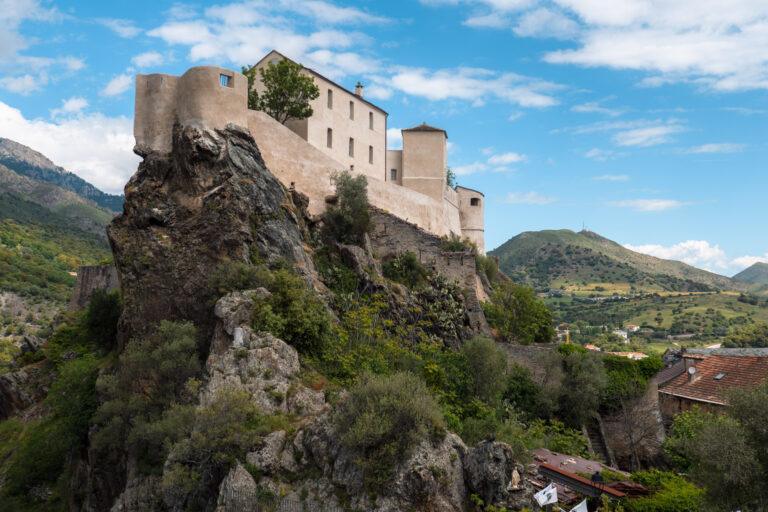
Everything you need to know about Corte in Corsica, including what to do and when to visit
Read more11. Plage de Palombaggia – One of Corsica’s most famous beaches
Known for its white sand and pine trees, Palombaggia Beach (Plage de Palombaggia) is one of the most popular beaches near Porto-Vecchio.
It might even be the most famous beach in Corsica.
We walked to Palombaggia from Tamaricciu – a lovely 15-20-minute stroll along the beach and a path through the trees.
On the way back, we followed a trail closer to the water, passing small coves and large, smooth rocks. That particular stretch felt a bit hidden with some really scenic spots along the way.
Palombaggia Beach is simply stunning: a long, wide stretch of pale sand shaded by pine trees.
There are beach bars and loungers for rent, and although it’s a popular destination, it didn’t feel crowded when we visited. It probably does feel crowded during the day at the height of summer, though.
The southern end has pinkish rocks in the water, and it’s a great spot for photos or a quiet swim.


12. Plage d’Acciaghju – Quieter beach near Tamaricciu
Acciaghju Beach (Plage d’Acciaghju) lies just a 10-minute walk south of Tamaricciu Beach and felt noticeably quieter to us. It’s also possible to park here.
The beach is wide and open, with (almost) the same clear water and pale sand.
It seemed a bit more exposed to wind and waves, which gave it a slightly wilder feel. When the wind comes from the east, though, it’s nicely sheltered.
There are a couple of spots serving food and drinks, but overall Acciaghju Beach feels much less developed than both Tamaricciu and Palombaggia.
At the far eastern end, we came across a small nudist section – something to be aware of if you’re walking along the whole stretch.


13. Plage de Rondinara – Curved bay with calm water
We actually visited Plage de Rondinara on our way from Bonifacio to Ghisonaccia, but we’ve included it in this Porto-Vecchio guide since it’s only about a 30-minute drive south of town – and it’s honestly too pretty to leave out.
The beach sits in a distinctive horseshoe-shaped bay surrounded by rocky headlands that create a calm, sheltered spot, perfect for families or anyone after a quieter beach day.
The water is clear and shallow, making it especially child-friendly.
Parking cost 6 euros (~ 6.9 USD)* for the whole day when we were there, and from the lot it’s just a short walk to the sand.
There’s a beachside restaurant where you can grab a meal or something to drink with a view.
*The price is updated in 2026.


14. Other beaches near Porto-Vecchio – More beautiful stretches of sand
Some of the best beaches in Corsica are just a short drive from Porto-Vecchio, which makes the town an ideal base for a beach-focused holiday.
You’ll find everything from hidden coves to family-friendly bays – and many beaches offer water sports like kayaking, paddleboarding, kitesurfing and jet skiing.
Here are a few other beaches near Porto-Vecchio worth knowing about:
- Plage de Carataggio: Small, beautiful and less developed beach just north of Palombaggia. It’s a bit harder to reach, though.
- Plage de Porto-Novo: Remote and quiet, with no facilities – great if you want to get away from the crowds, but it’s quite a long walk from the road.
- Plage de Balistra: A wide and wild beach, popular with kitesurfers. Accessible via a bumpy track where you need to drive slowly.
- Plage de Canetto: A small, calm beach with crystal-clear water, perfect for swimming. Parking near the beach suits high-clearance vehicles; otherwise, park by the road and enjoy a 15-minute walk (as we did).
- Plage de Saint-Cyprien: A long, family-friendly beach with calm waters and several places to eat.
- Grande Plage de Cala Rossa: Sandy beach with views of the bay with calm water, beach restaurants and water sports.
- Petite plage de Cala Rossa: Smaller, tranquil beach with red granite rocks at its far end.

15. Day trips from Porto-Vecchio – Mountain hikes, prehistoric ruins and boat trips
For longer stays, Porto-Vecchio is also a great base to explore some of the best towns in Corsica.
Here are some of the best day trips from Porto-Vecchio – all perfect if you want to mix beach time with nature, history and charming Corsican towns.
Bonifacio
Dramatically built on limestone cliffs, Bonifacio is one of Corsica’s most striking towns and it’s only 30 minutes south of Porto-Vecchio.
Wander the old citadel, take in the views from the cliffs, visit King of Aragon’s Staircase, or take a boat trip to see the coastline and sea caves.

Boat trip to the Lavezzi Islands
The Lavezzi Islands are a cluster of uninhabited granite islets between Corsica and Sardinia, known for their rock formations and clear water. We didn’t get to go this time around, but we would love to next time around!
The islands are part of a protected nature reserve, and you can reach the islands by boat from both Porto-Vecchio and Bonifacio.
Tours typically include time for swimming and snorkelling in the calm lagoons, and some offer a guided stop on the main island as well.
Advertisement
L’Ospedale Forest and Lake
Head 20-30 minutes inland to cool off at Forêt de L’Ospedale and Lac de L’Ospedale – a peaceful mountain reservoir surrounded by pine forest.
There are picnic spots and different hiking trails.
Piscia di Gallu Waterfall
A popular hike in the aforementioned Ospedale forest leads to a 60-metre-high waterfall surrounded by rugged granite cliffs.
You can park just north of the lake and follow the trail. The hike takes about 45 minutes to an hour each way with great views of the mountains and forested valleys. The final stretch is a little challenging, so wear good shoes.
Castellu d’Araghju
Castellu d’Araghju is a prehistoric site with remnants of a Bronze Age fortress as well as panoramic views over the Mediterranean Sea, 15 minutes from Porto-Vecchio.
Parking is free, but the hike to the top is quite steep.
Sartène
1 hour west of Porto-Vecchio, Sartène is often called “the most Corsican of Corsican towns”.
The old centre is full of narrow alleys with stone buildings and great views.

Map of the best things to do in Porto-Vecchio
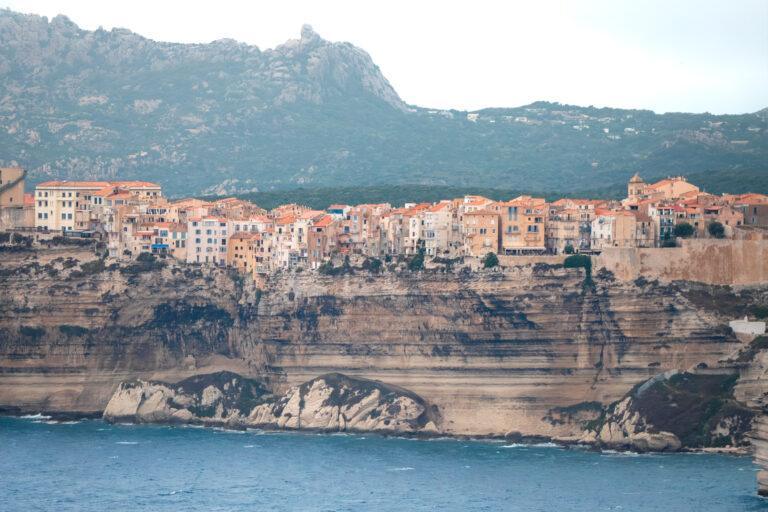
Everything you need to know about Bonifacio in Corsica, including what to do, when to visit and where to stay
Read moreWhere to stay in Porto-Vecchio
The old town and the marina
Staying in Porto-Vecchio’s old town or near the marina means you’re close to the main attractions, cafés, restaurants and shops.
The old town offers a charming, historic atmosphere where you can easily explore on foot.
The marina offers a different vibe with sea views and plenty of cafés and bars. It’s still close to the old town but usually quieter in the evenings.
Here are some of the best hotels in Porto-Vecchio:
- Luxury: Casa Santini x Roc Seven – A beautiful boutique hotel by the water just north of the marina, with a lovely garden and breakfast included in the stay.
- Value for Money: Citta di Lume Suites & Lofts – Stylish, loft-style accommodation with a pool and parking, just a short walk from the old town.
- Budget: En Aparté – Apartments with balconies, small kitchens and access to the neighbouring hotel’s pool.
Search for the best hotels in Porto-Vecchio here (adlink).


Near the beaches
Choosing to stay near popular beaches like Santa Giulia or Palombaggia offers easy access to some of Corsica’s most beautiful coastal spots.
We’re not exaggerating when we say these are some of the nicest beaches in Europe.
Accommodation prices are typically a bit higher by the beaches, but it’s perfect if you’re looking for a relaxed, nature-focused holiday with plenty of swimming, water sports and peaceful surroundings.
Here are some of the best hotels near the beaches:
- Luxury: Les Bergeries de Palombaggia – 5-star hotel between the sea and hills, just 700 metres from the beautiful Palombaggia Beach. With elegant rooms, an infinity pool and panoramic views of the Cerbical Islands.
- Luxury: Hôtel & Lodges Moby Dick – 4-star beachfront hotel on the stunning Santa Giulia Beach offering modern rooms with sea views, a restaurant and direct access to the sandy shores.
- Value for Money: Résidence Marina Di Santa Giulia – Modern studios and villas set within lush greenery and just a short walk from Santa Giulia Bay, complete with a heated pool and various amenities.


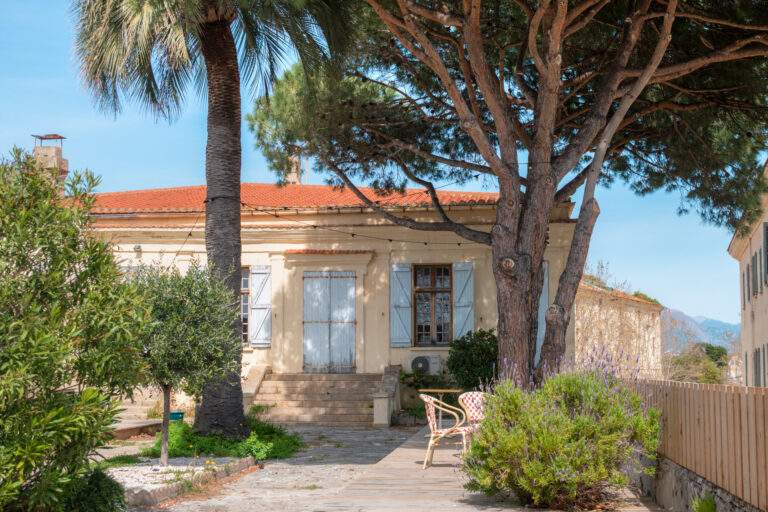
Our recommendations for the best places to stay, from the city centre to quieter beach escapes
Read moreHow to get around Porto-Vecchio
Getting around Porto-Vecchio is fairly simple. The town itself is small and the key sights in the old town can be reached on foot.
Here’s how to best get around Porto-Vecchio.
Walking
Walking is the nicest way to experience Porto-Vecchio.
The old town is compact and easy to explore on foot, with small squares, cafés and viewpoints all within short walking distance.
Reaching the citadel from the marina does involve a bit of an uphill climb, but it’s worth it for the views.

Public transport
Public transport in Porto-Vecchio’s old town is limited, but key locations such as the town centre, port and main parking areas are connected by a free electric shuttle service.
It’s called A Citadina and it runs frequently. See routes and time schedules on the official website.
During the summer months, shuttle services operate between Porto-Vecchio and popular beaches like Palombaggia and Santa Giulia.
Schedules and fares may vary, so check with the local tourist office or service providers for the latest information.
By car
Though you won’t need a car much in central Porto-Vecchio, renting your own vehicle offers the most flexibility for exploring the rest of Corsica.
We usually compare car rental deals on DiscoverCars (adlink), where the quoted price includes all mandatory fees, taxes and basic extras, so there are no surprises at pickup.
Just be aware that finding parking in Porto-Vecchio can be challenging (and expensive) – extraordinarly so during summer.

When to visit Porto-Vecchio
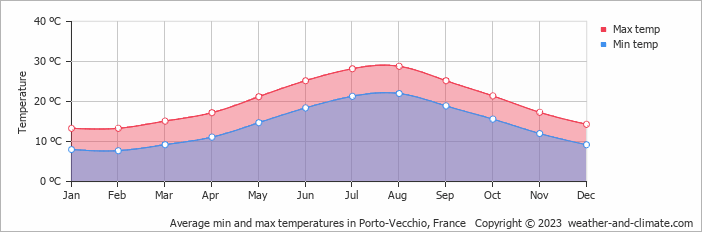
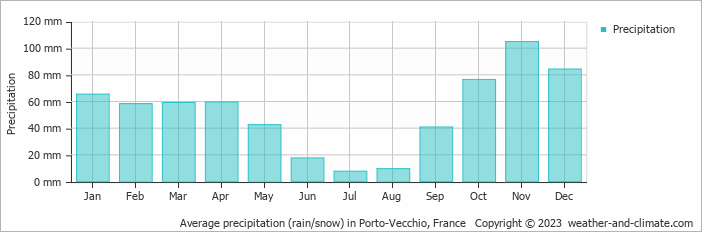
Porto-Vecchio has a Mediterranean climate with warm, dry summers and mild, wetter winters.
Thanks to its coastal location, there’s often a pleasant breeze. The nearby mountains can bring some variety in weather conditions, particularly outside the high season.
Here’s what to expect throughout the year in terms of weather and travel atmosphere.
Spring (March, April & May)
Spring is a lovely time to visit Porto-Vecchio, with daytime temperatures typically ranging from 13-23°C (55-73°F) as the town starts to warm up.
March and April can still bring some rain, but May is usually sunnier.
The surrounding hills and maquis bloom with wildflowers in spring, and the cooler temperatures are ideal for walking, sightseeing and road trips around southern Corsica.
Spring is a quieter period in Porto-Vecchio, so you can enjoy the old town and beaches without the summer crowds – just like we did ourselves.
Accommodation and car rental are often cheaper outside school holidays, though Easter week tends to be a bit more popular.
Some beach bars and seasonal shops may still be closed early in the season, and the sea usually remains cold until late May, but spring is still generally a great time for coastal walks, mountain drives and slower-paced travel.
Summer (June, July & August)
Summer in Porto-Vecchio is hot, sunny and busy. It’s the height of the travel season in southern Corsica.
Expect daytime temperatures between 22-32°C (72-90°F), and occasionally higher during heatwaves.
Sea temperatures usually range from 23-26°C (73-79°F). Perfect for swimming, snorkelling and boat trips.
Everything is in full swing: beach bars, cafés and shops are open late, and the marina has a lively atmosphere in the evenings.
While Porto-Vecchio isn’t known for major festivals, the town fills up with a mix of locals and visitors – especially in July and August.
This is the busiest and most expensive time to visit Porto-Vecchio. Hotel rates climb, beaches get crowded and you’ll often need to book restaurants in advance.
Parking in town and by the beaches can also be a challenge.
If you’re after warm weather, beach days and a vibrant holiday feel, summer is the best time to visit Porto-Vecchio (and most popular!).
Autumn (September, October & November)
September in Porto-Vecchio starts off much like summer, with warm, sunny days and sea temperatures around 22-24°C (72-75°F) – still good for swimming.
As the weeks go on, the air becomes cooler and the atmosphere in town shifts to a slower, more relaxed pace.
October remains pleasant for sightseeing and coastal walks, with temperatures typically ranging from 15-26°C (59-79°F) but with higher chances of rain.
By November, Corsica can feel much quieter, with more rainy days and fewer visitors around.
The beaches are far less crowded, and it’s a good season for hiking in the Ospedale mountains or taking scenic drives inland.
Market stalls and local menus begin to feature chestnuts, figs and mushrooms – a nice change of pace for those interested in seasonal food.
Accommodation is easier to find and more affordable compared to the high season, though some restaurants and tourist services may start closing from mid-October.
If you prefer a calmer trip focused more on nature, walking and mild weather, autumn would be the best time to visit Porto-Vecchio.
Winter (December, January & February)
Winter in Porto-Vecchio is quiet and low-key, with daytime temperatures usually between 9-16°C (48-61°F) and a slower, more local rhythm to life.
Snow is very unlikely by the coast, but the inland mountains, like those near Ospedale, sometimes get a dusting – creating scenic views on clear days.
It’s the calmest and cheapest time to visit, with fewer tourists and lower accommodation prices.
While many beach bars and seasonal restaurants are closed during winter, you’ll still find a handful of cafés and local spots open.
In December, the town is lit up with festive decorations.
This is the off-season, so expect some rain and limited tourist services – and it’s not the ideal time for beach holidays…
But if you’re after a peaceful break and don’t mind the cooler, more changeable weather, winter in Porto-Vecchio offers a quieter, more local side of Porto-Vecchio.

Best time to visit Porto-Vecchio
The best time to visit Porto-Vecchio depends on what kind of experience you’re after – whether it’s long beach days, scenic walks or a quieter, more budget-friendly stay.
- For beach lovers: Mid-June to mid-September.
- For outdoor activities: April to June, as well as September and October.
- For budget travellers: November to March (excluding Christmas/New Year period).
- For cultural exploration: April, May, September and October.
- For avoiding crowds: November, January and February.
Tip: The shoulder months of May, June, September and early October generally offer the best balance of pleasant weather, reasonable prices and manageable crowd levels in Porto-Vecchio.
Tips for visiting Porto-Vecchio
- Walk as much as possible. The old town and main sights are close together and parking is limited, so exploring on foot is usually the easiest and most enjoyable way to get around.
- Visit beaches early or late in the day. The most famous beaches get crowded in peak season. Morning light is great for photos, and late afternoons are calmer with warm water and softer light.
- Bring a quality camera. Porto-Vecchio is picturesque! Here’s a guide to the gear we use.
- Check opening days and hours in advance. Markets, museums and even some restaurants aren’t open every day. In the shoulder season or winter, some places may be closed entirely.
- Book ahead in summer. Hotels, car rentals, boat tours and restaurants can fill up quickly during peak season.
- Use an eSIM for easy mobile data. If your phone supports eSIM and you don’t have data included, services like Airalo offer affordable options for France or all of Europe (adlinks). We’ve used it successfully on other trips.
- Wear sneakers or other comfortable shoes suitable for hiking and walking on the uneven cobbled stones of the old town.
- Remember travel insurance (adlink). Never travel without it!

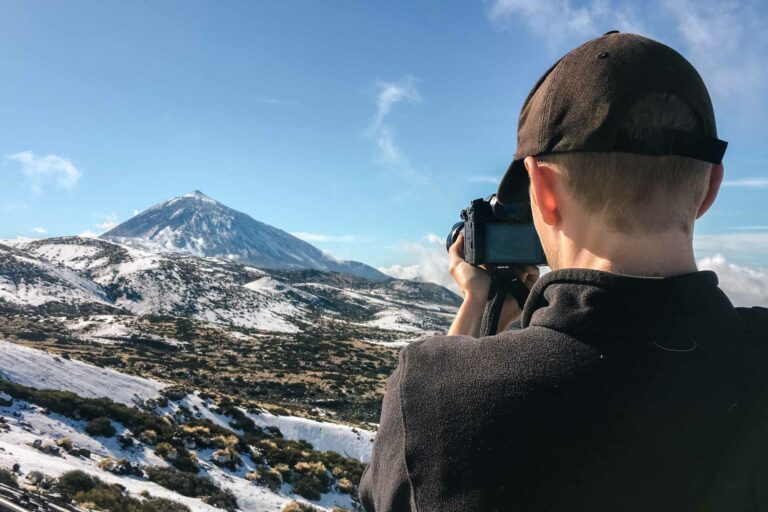
What camera, drone and accessories we use to capture life on the road
Read moreSustainable travel tips
Here are a few additional tips to reduce your impact during your time in Porto-Vecchio.
- Bring your own drinking water in a refillable bottle.
- Avoid single-use plastics.
- Sort your waste correctly and do not throw it on the ground.
- Check your sunscreen before going in the water. Many brands contain oxybenzone and other chemicals that are harmful to the environment.
- Take only photos, leave only footprints. Let everything stay in its natural place.

Thanks for reading our Porto-Vecchio travel guide
Thank you for reading our travel guide to Porto-Vecchio. We hope it has been helpful!
What do you think about the charming Corsican town? Do you know more about what to do in Porto-Vecchio now?
If you’ve been to the City of Salt, it would be awesome to hear your best tips and tricks.
If you haven’t been yet, please don’t hesitate to ask us anything in the comments below. We’re happy to help.
Our favourite travel resources:
- Booking.com for hotels and apartments.
- Momondo for the best flight deals.
- AirHelp for flight delay compensation.
- GetYourGuide for great tours everywhere.
- Airalo for reliable eSIM.
- Discover Cars for transparent car hire.
- SafetyWing for travel insurance. We also like True Traveller. Compared here.

Bonifacio Travel Guide: 15 Best Things to Do in the Cliffside Fortress Town
Everything you need to know about Bonifacio in Corsica, including what to do, when to visit and where to stay
-
Where to Stay in Bastia: The Best Hotels & Areas for All Budgets
Our recommendations for the best places to stay, from the bustling Old Harbour to the peaceful citadel
-
Bastia Travel Guide: 13 Best Things to Do in Corsica’s Northern Port City
Everything you need to know about Bastia in Corsica, including what to do, when to visit and our top tips