Mexico City, a capital like no other
How do you begin to describe one of the world’s largest cities – a place with around three and a half times the population of our home country, Denmark?
Mexico City, home to more than 21 million people, is impossible to sum up in a single word.
Alongside sprawling neighbourhoods and heavy traffic, you’ll find some of the country’s finest restaurants, incredible street food, outstanding museums and the most charming local areas.
We spent ten unforgettable days in the capital, visiting many of the main Mexico City attractions, sampling every menu we could find and taking countless leisurely walks through leafy parks and along wide, green boulevards.
In this Mexico City travel guide, we’ve gathered our favourite experiences, tips on how many days to stay, when to go, how to get around, all the best things to do in Mexico City and our best travel tips. Órale!
Our favourites: Where to stay in Mexico City
- Budget: Hotel Escala Colonia Roma – Small, comfortable double rooms with private bathrooms at reasonable prices.
- Value for money: District Polanco by Lumina – More affordable than it appears, and it looks pretty great!
- Luxury: Ignacia Guest House – A colourful boutique hotel with just nine suites.
- Ultra-luxury: Las Alcobas – Exceptionally luxurious, with a homely atmosphere and outstanding service.
Search for the cheapest and best hotels in Mexico City here (adlink).
Table of contents
- Where is Mexico City?
- The best things to do in Mexico City
- The best day trips from Mexico City
- How long to stay in Mexico City
- Where to stay in Mexico City
- The best places to eat in Mexico City
- How to get around Mexico City
- Safety in Mexico City
- When to visit Mexico City
- Our best tips for Mexico City
- FAQ about Mexico City


Where is Mexico City?
Mexico City, or Ciudad de México (CDMX), lies in the south-central part of Mexico, surrounded by mountains in a vast valley known as the Valle de México.
At an impressive altitude of about 2,240 metres above sea level (about 7,350 feet), it ranks among the world’s highest capital cities.
With more than 21 million residents across the metropolitan area, Mexico City is the largest city in North America and one of the biggest urban areas anywhere in the world. Around nine million people live within the city itself.

The best things to do in Mexico City
Wondering what to do in Mexico City?
The capital offers an incredible range of experiences and attractions!
You’ll find everything from ancient ruins and colonial palaces to world-class museums and an outstanding food scene.
There’s no shortage of things to do in Mexico City – not to mention some of the world’s largest pyramids just an hour away.
Here we’ve gathered our favourite places to visit in Mexico City and some of the best things to do, based on our own ten days there:
- Teotihuacán Pyramids – Ancient city with impressive pyramids
- Condesa and Roma – The city’s most charming neighbourhoods
- Palacio de Bellas Artes – Art exhibitions beneath a colourful dome
- View from the 8th floor of Sears – Free panoramic view of the historic centre
- Alameda Central – City park with fountains and shaded paths
- Mexico City Cathedral – Huge church on the Zócalo
- Plaza de la Constitución (Zócalo) – The city’s lively main square
- Torre Latinoamericana – Observation tower with 360-degree views
- Palacio de Correos de México – Historic post office
- Chapultepec – The city’s largest park
- Chapultepec Castle – Elegant castle on a hilltop
- Museo Nacional de Antropología – The national anthropology museum
- Monumento a la Independencia – CDMX’s golden icon
- Shopping in Polanco – High-end boutiques and designer stores
- Frida Kahlo Museum – The famous blue house
- Xochimilco – Cruise the Aztec canals in colourful boats
- Other activities in Mexico City – Extra things to do across the capital
Map of the best things to do in Mexico City.
1. Teotihuacán Pyramids – Ancient city with impressive pyramids
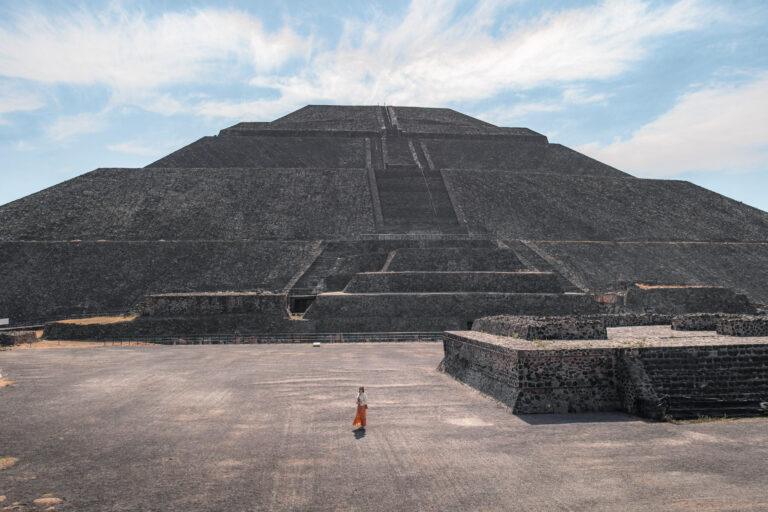
We were absolutely blown away by the Teotihuacán pyramids.
It’s without doubt one of the most impressive archaeological sites in Mexico. And that’s saying something.
Teotihuacán is around 40 kilometres (~ 25 miles) northeast of the capital, making it one of the best day trips from Mexico City, taking roughly an hour each way.
The main attractions are the Pyramid of the Sun and the Pyramid of the Moon, which are connected by the broad Avenue of the Dead (La Calzada de los Muertos).
Sadly (but understandably), climbing most of the pyramids is no longer permitted – mainly to protect the ancient structures and keep visitors safe.
However, after a five-year closure, the first section of the Pyramid of the Moon reopened to climbers in May 2025.
Climbing the other pyramids is still not allowed, but you can walk close to and around them.
And even without climbing them, Teotihuacán is absolutely worth visiting!
We spent about six hours in Teotihuacán, including lunch, which gave us time to explore the site, see the small museum and have a drink at the atmospheric cave restaurant La Gruta.
Practical info:
- Open every day, 8:00-17:00.*
- The entrance fee to Teotihuacán is 210 pesos per person (~ 11 EUR / 12 USD)* for foreign visitors, and 105 pesos per person (~ 5 EUR / 6 USD)* for Mexican citizens and residents with ID.
- Arrive early to avoid the heat and the biggest crowds.
- Bring plenty of water and sun protection. The UV index is high, and shade is scarce.
Read our full Teotihuacán guide to find the best ways to get there, practical tips and plenty of photos from one of the most unforgettable places to visit when you’re in Mexico City.
*Information on opening hours and prices was last updated in 2026. For the latest details, visit the official site.


All you need to know about the ancient city of Teotihuacán – how to get there, what to see and our best tips
Read moreAdvertisement
2. Condesa and Roma – The city’s most charming neighbourhoods
There aren’t really any major Mexico City attractions in the neighbourhoods of Condesa and Roma, which sit side by side just southwest of the Centro Histórico (the historic centre).
Even so, a stroll in the area is still one of the best things to do in Mexico City.
This is where you’ll find much of the best the city has to offer, including restaurants, street food, nightlife, shopping and cosy parks.
The wide, tree-lined streets are dotted with Art Deco buildings, colourful street art and cafés where well-off locals sit alongside expats and visitors.
A distinctive feature of Condesa is the oval-shaped Ámsterdam Avenue, once a horse-racing track.
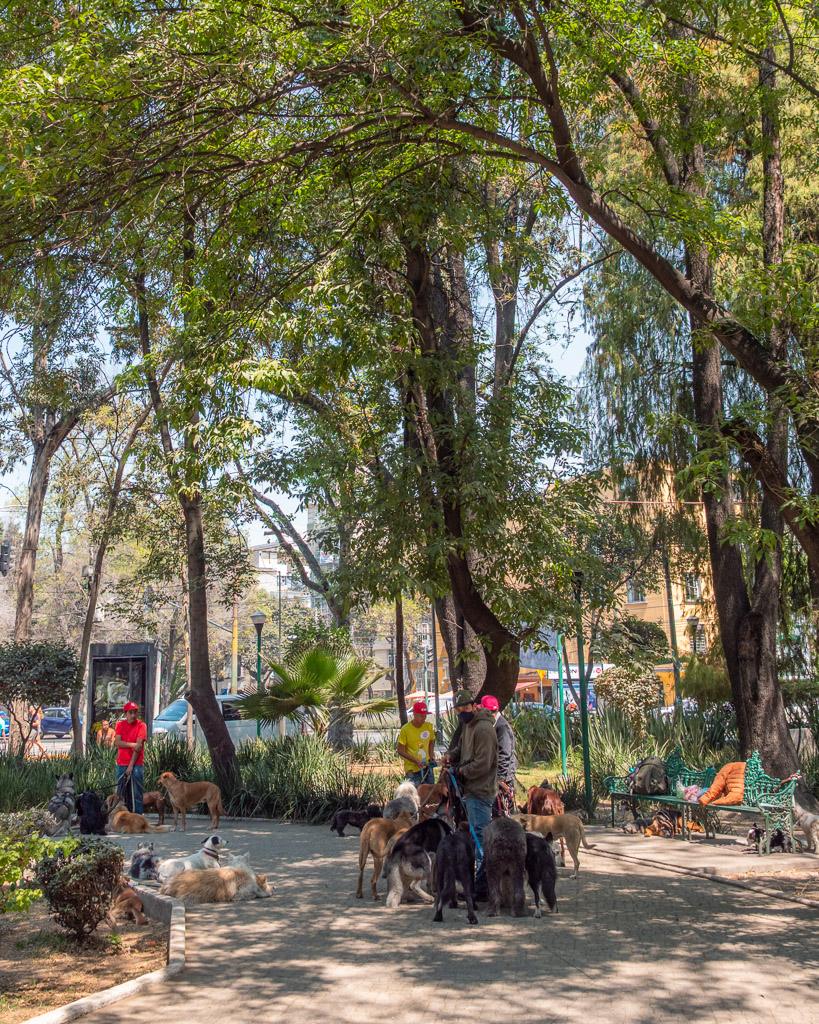
Today, it serves as a popular running and walking route encircling the lovely Parque México – a perfect spot to pause and take in daily life, from dog walkers and yoga groups to families enjoying a picnic beneath the tall trees.



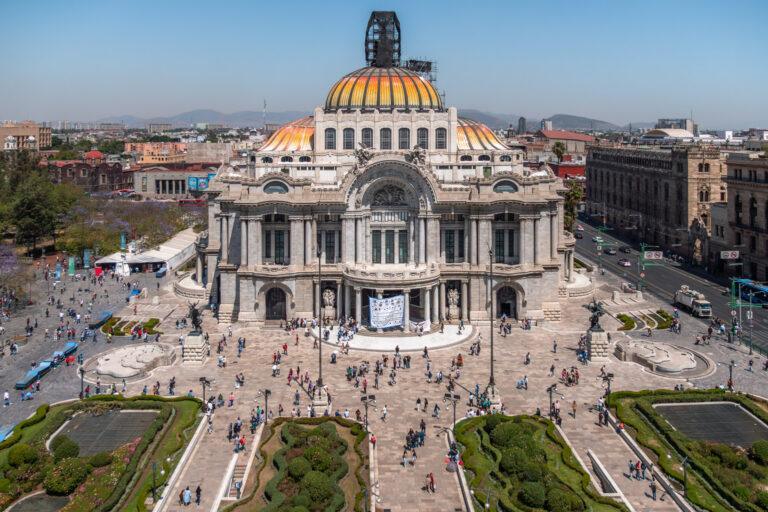
3. Palacio de Bellas Artes – Art exhibitions beneath a colourful dome
The magnificent Palacio de Bellas Artes (Palace of Fine Arts) is one of Mexico City’s most famous landmarks.
It’s at the edge of Alameda Central in the historic centre.
Inside the museum, there’s not much to see, if we’re honest, but the Art Deco interiors are worth a look, and some of the murals by renowned Mexican artists are really impressive.
Overall, it’s a pleasant experience, though if your time is limited, it’s not essential to go inside. We spent about an hour exploring the museum.
Practical info:
- Open Tuesday to Sunday, 10:00-18:00, with ticket sales reportedly ending at 17:30.*
- The entrance fee to the museum is 95 pesos (~ 5 EUR / 6 USD).* Only cash is accepted, even though they “officially” accept Visa and Mastercard.
- Admission is free for everyone on Sundays.
- Take the lift to the top floor first and then work your way down.
- Pro tip: The best view and photos of the building are from the café in the Sears building directly opposite (more on that in the next section).
*Information on opening hours and prices was last updated in 2026.


4. View from the 8th floor of Sears – Free panoramic view of the historic centre
Just across from the Palacio de Bellas Artes, you’ll find the Sears shopping centre.
Finca Don Porfirio café is on the 8th floor, where you can enjoy a coffee, cocoa or frappé while taking in the view of the beautiful building. Prices are quite reasonable.
Take the lift to the 8th floor and turn right when you exit.
There may be a long queue at busy times.
We waited no more than 10 minutes and were initially seated at a regular table before being allowed to move to the “front row” with a direct view of the Palacio de Bellas Artes – and this was around lunchtime on a Saturday.
Wait times can, of course, vary.

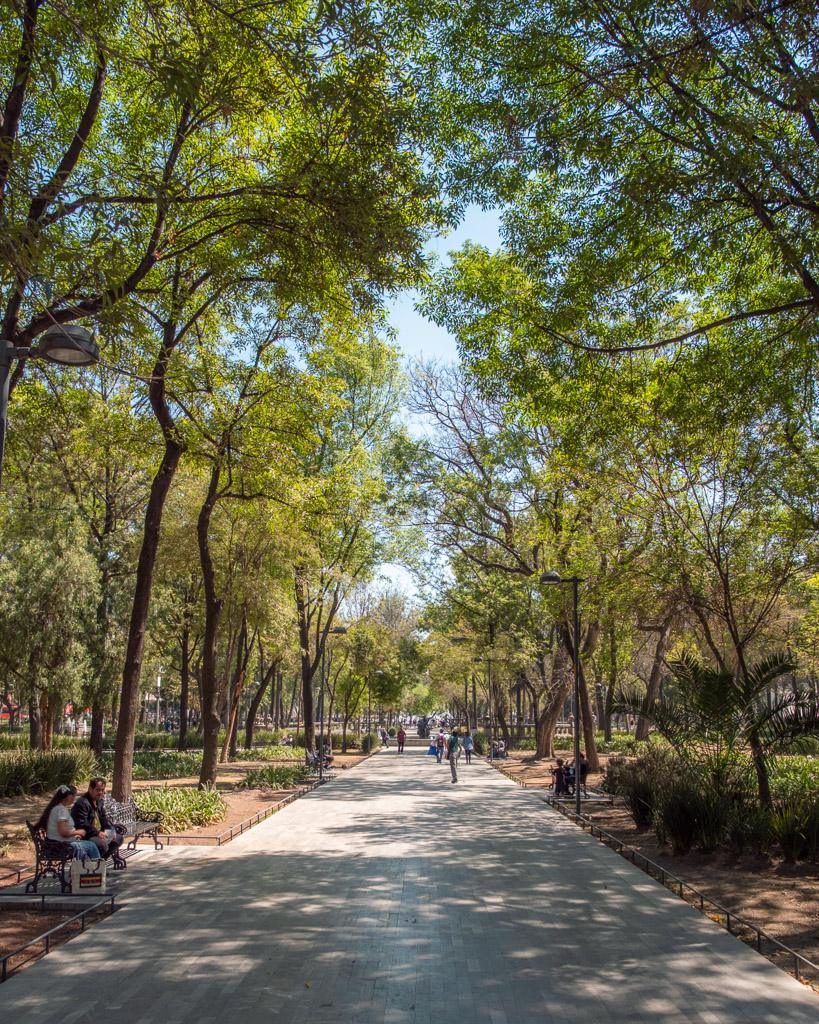
5. Alameda Central – City park with fountains and shaded paths
The spacious Alameda Central park is right next to the Palacio de Bellas Artes.
As Mexico City’s oldest public park, dating back to 1592, it’s a lovely spot for a stroll or to take a break – especially if you’re visiting the palace.
6. Mexico City Cathedral – Huge church on the Zócalo
Mexico City’s cathedral is also known by the impressively long name, La Catedral Metropolitana de la Asunción de la Santísima Virgen María a los Cielos de la Ciudad de México.
It’s the largest historical cathedral in the Americas.
The building is stunning from the outside, and the interior is equally impressive, with multiple chapels, a grand altar and lots of intricate decorations.
Entrance is free, but you are not allowed to wear hats or sunglasses, and overly “revealing” clothing is discouraged (we got away with shorts, though).
Flash photography is prohibited, and as with many religious sites, visitors are expected to be respectful and keep noise to a minimum.


7. Plaza de la Constitución (Zócalo) – The city’s lively main square
Right next to the cathedral lies the city’s main square, Plaza de la Constitución, also known as the Zócalo.
Since the time of the Aztecs, the square has been the gathering place for Mexicans, hosting everything from religious ceremonies and military parades to royal proclamations and independence celebrations.
Today, it remains the heart of Mexico City, and it is said that you haven’t truly experienced the city until you’ve set foot here.
The square is lined with historic buildings, including the National Palace (Palacio Nacional).


8. Torre Latinoamericana – Observation tower with 360-degree views
Torre Latinoamericana (Latin American Tower) is a 181.3-metre-tall (595 feet) skyscraper in the city centre.
Completed in 1956, it was once the tallest building in Latin America.
From the top floor, you get a fantastic 360-degree view of Mexico City.
The entrance fee is around 220 pesos (~ 11 EUR / 13 USD) for adults as of 2026, and there can be a queue at busy times.
There’s also a small museum about the tower’s history.
You can see the opening hours and updated prices on the official website.
There’s a restaurant with great views near the top, but according to many reviews, the food is rather disappointing for the price, and the service can be slow, so it might be better to just come for the view.
Scroll down to see what we did instead.

See the view from Nivel 40 Skybar
We chose to visit Nivel 40 Skybar instead.
The view here is technically “free” – you just need to order a drink.
While the drinks aren’t the cheapest, they’re definitely fair for the setting.
The view over Mexico City is stunning, though it’s worth knowing that you look through windows and only in one direction – not a full 360 degrees as you get from the official viewing platform.
There are only three tables right next to the windows, but you can still enjoy the view from elsewhere in the bar. We were lucky to move up front once a table became free.
We came for sunset, and it turned out to be an amazing experience!


9. Palacio de Correos de México – Historic post office
The main post office in Mexico City is known as Palacio de Correos de México, and it’s well worth a stop, even if you have no letters to send.
The grand exterior is impressive enough, but it’s even more beautiful inside, where it looks more like a film set than a post office.


10. Chapultepec – The city’s largest park
Chapultepec, often called Bosque de Chapultepec (“Chapultepec Forest”), is Mexico City’s green lungs.
If you need a quiet spot for a long walk in the shade or a break from the traffic, this is the place to go.
The park is divided into several sections, with most of the main sights in the eastern part, near Polanco and Condesa.
Here you’ll find two lakes, a botanical garden, the Museum of Modern Art (Museo de Arte Moderno), the National Museum of Anthropology (Museo Nacional de Antropología) and Chapultepec Castle, which sits proudly on the hill.
Alex also enjoyed going for runs in Chapultepec Park during our stay in the city.


11. Chapultepec Castle – Elegant castle on a hilltop
In the middle of the park’s first section stands Chapultepec Castle (Castillo de Chapultepec), on top of Chapultepec Hill.
The hill has been regarded as sacred since Aztec times, and over the centuries the castle has served as an imperial residence, a presidential home and an observatory.
Today, it is home to the National History Museum.


Advertisement
12. Museo Nacional de Antropología – The national anthropology museum
Mexico’s National Museum of Anthropology is the country’s largest and most visited museum – and we quickly understood why.
We were greeted by the enormous umbrella fountain in the courtyard, which sets a dramatic tone right from the start.
Inside, we were impressed by the fantastic collection of artefacts from Mexico’s pre-Columbian cultures.
The museum is huge, so allow at least a couple of hours to see the highlights.
These include the famous Aztec Sun Stone and treasures from the Mayan civilisation, offering a fascinating glimpse into the region’s rich history.


Advertisement
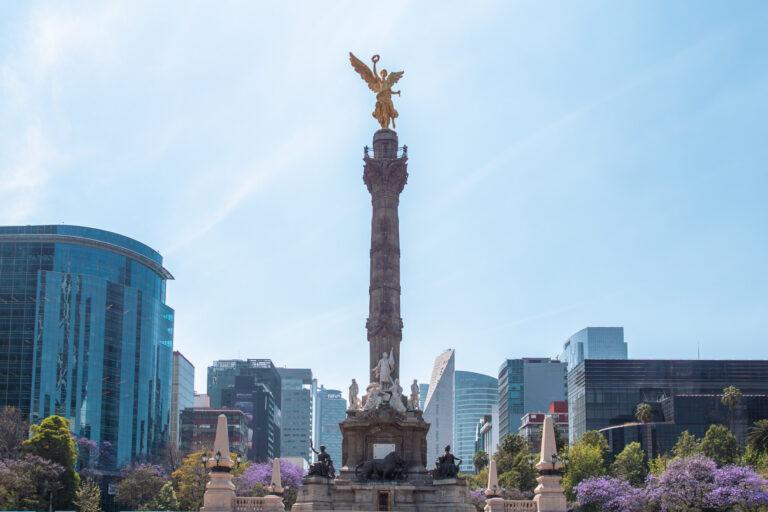
13. Monumento a la Independencia – CDMX’s golden icon
The Angel of Independence, often called El Ángel, is one of Mexico City’s most recognisable landmarks.
The 36-metre-high column, topped with a gold-plated statue of the Greek goddess of victory, Nike, was erected in 1910 to mark the 100th anniversary of Mexico’s independence.

14. Shopping in Polanco – High-end boutiques and designer stores
The Polanco neighbourhood lies just north of Chapultepec and is known for its upscale vibe, with luxury shops, art galleries and fine restaurants.
We noticed a lot more familiar international brands here, and it’s a pleasant area to stroll around.
Avenida Presidente Masaryk is the main street, lined with most of the shops and eateries. Parque Lincoln is also worth a stop.

15. Frida Kahlo Museum – The famous blue house
Frida Kahlo is one of Mexico’s most iconic figures, and visiting her world is a must for many when in Mexico City.
In the southern neighbourhood of Coyoacán, you’ll find Museo Frida Kahlo.
Frida Kahlo grew up in the house called Casa Azul (the Blue House) and later lived there with her husband, the artist Diego Rivera.
The bright blue house has since been turned into a museum dedicated to her life and art, featuring a selection of her works and personal belongings.
Unfortunately, we didn’t manage to visit ourselves, but since it’s one of the best things to do in Mexico City, it’s a good idea to book tickets in advance.
The Coyoacán neighbourhood in general looks like a very charming area to explore, too.
Advertisement
16. Xochimilco – Cruise the Aztec canals in colourful boats
We didn’t make it to Xochimilco on our trip, but the colourful canals rank among the best things to do in Mexico City.
Here, you can glide through the last remains of the ancient Aztec canal system on traditional trajineras – vibrant, gondola-like boats. It looks super fun!
The canals form part of a UNESCO World Heritage Site and offer a glimpse of what Mexico City looked like before the Spanish conquest.
Many recommend visiting at the weekend for the lively atmosphere, though it can get very crowded.

17. Other activities in Mexico City – Extra things to do across the capital
CDMX is so huge that you’ll never run out of fun activities. Here are a few more great experiences to add to your itinerary when looking for the best things to do in Mexico City.
- Traditional markets: Mercado de San Juan is famous for its gourmet produce and unusual ingredients, while Mercado de la Ciudadela is the go-to spot for traditional Mexican crafts and souvenirs.
- Lucha Libre: Catch a wrestling match at Arena México – a lively, one-of-a-kind cultural experience with masked wrestlers and colourful costumes.
- Basílica de Guadalupe: Visit Mexico’s most important religious pilgrimage site, which attracts millions of visitors every year.
- Museo Soumaya: An architectural masterpiece that houses one of Latin America’s largest private art collections. The distinctive building is worth a visit in itself.
- Plaza Garibaldi: Soak up the atmosphere of live mariachi performances in this famous square – especially in the evening.
- San Ángel: A charming neighbourhood with cobbled streets, colonial buildings and a strong artistic vibe. Locals recommended we eat at the restaurant Na Tlali.
- Food and culture tours: There are plenty of excellent guided tours in English, where you can discover more about, for example, Mexican food culture, street art or the city’s history.

Map of the best things to do in Mexico City
We’ve put together a map of all the best things to do in Mexico City, highlighting top neighbourhoods, experiences and attractions.
Hop-on hop-off in Mexico City
The popular hop-on hop-off buses are a convenient way to see many of the main attractions and highlights of Mexico City in a short time.
There are four routes, and since your ticket is valid for all of them on the same day, the buses can double as transport to places such as Coyoacán or the Basílica de Guadalupe.
Buy your hop-on hop-off ticket here (adlink).

Advertisement
The best day trips from Mexico City
Apart from the Teotihuacán pyramids, there are countless great day trips from Mexico City.
We spent time in Cholula, Puebla and Tepoztlán – all of which can easily be done as day trips. We’ve also added a few other places that look especially interesting.
(Approximate driving time and distance from the Centro Histórico are shown in parentheses.)
The best day trips from Mexico City:
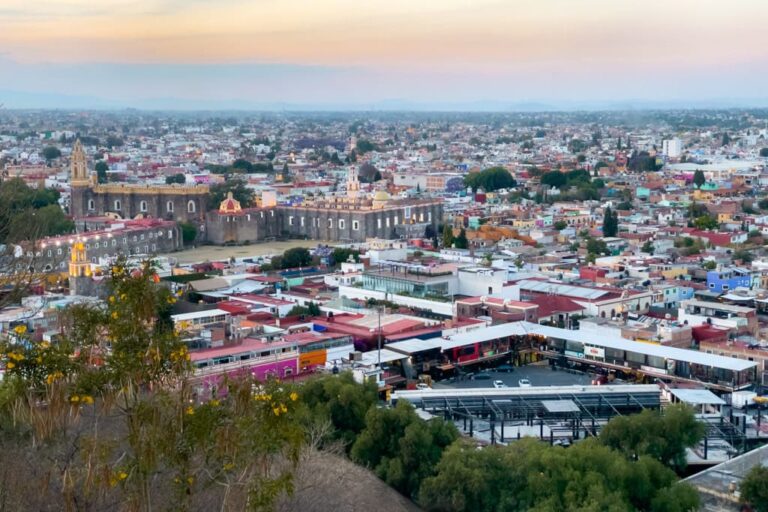
- Cholula (2 hours – 125 km / 78 miles): Home to the world’s largest pyramid (!). Read our Cholula guide here.
- Puebla (2 hours – 130 km / 81 miles): One of Mexico’s largest cities has a calmer, more relaxed vibe than Mexico City. Read our Puebla guide here.
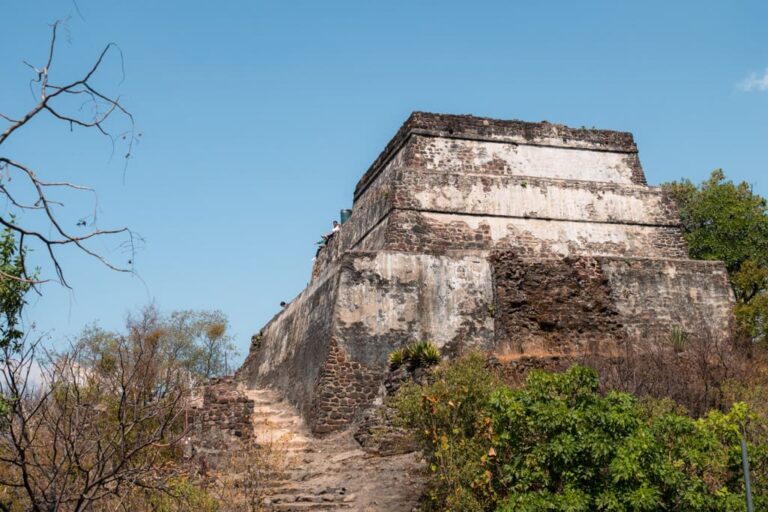
- Tepoztlán (1.5 hours – 80 km / 50 miles): A truly special town known for its cobbled streets, magical mountains and hilltop pyramid. Spiritual on weekdays, festive on weekends. Read our Tepoztlán guide here.
- Teotihuacán (1 hour – 50 km / 31 miles): Don’t miss the incredible pyramids in the ancient city. Read our Teotihuacán guide here.
- Ajusco (1 hour – 40 km / 25 miles): Climb Mexico City’s highest volcano or visit the nearby Six Flags México amusement park.
- Paso de Cortés (1.5 hours – 85 km / 53 miles): The mountain pass between the volcanoes Iztaccíhuatl and Popocatépetl is a great place to escape the heat and enjoy nature.
- Cuernavaca (1.5 hours – 70 km / 43 miles): The “City of Eternal Spring” is a popular weekend getaway for locals.
- Tula (1.5 hours – 90 km / 56 miles): The ancient Toltec capital, famous for its 4-metre-high warrior statues atop the Quetzalcoatl pyramid.
- Malinalco (2 hours – 100 km / 62 miles): A small “magical town” similar to Tepoztlán, with a pyramid offering panoramic views of the town and valley.
- Huasca (2 hours – 125 km / 78 miles): A mysterious town with beautiful basalt formations and waterfalls.
- Taxco (2.5 hours – 165 km / 103 miles): One of Mexico’s prettiest cities.
- Grutas de Tolantongo (3.5 hours – 200 km / 124 miles): Instagram-friendly hot springs carved into a cliffside in a dramatic gorge. Most likely a really long day trip, but still worth mentioning.


Advertisement
Map of day trip destinations
Here we’ve marked the best day trips from Mexico City on a map to show where each place is in relation to the others.
How long to stay in Mexico City
The ideal stay in Mexico City is around 4-5 days if you want to experience the main sights without rushing.
This allows time to see the Centro Histórico, visit a couple of the city’s museums, explore the neighbourhoods of Roma Norte and Condesa and try plenty of yummy food.
We stayed for 10 days, which was perfect for us.
It gave us time to move at our own pace, explore more areas and fit in a day trip to the Teotihuacán pyramids.
With 10 days, we also had time to revisit our favourite spots and try some of the many great restaurants.
If you have a week, you’ll have enough time to see the key attractions and take a day trip or two without feeling pressed for time.
If you’re only making a short stop in Mexico City, you can still get a taste of the city in one or two days, but you’ll need to prioritise and plan carefully – distances are long, and traffic can be heavy.
At a minimum, we’d recommend spending three days in Mexico City so you can fit in:
- Teotihuacán Pyramids. An unmissable day trip from the city.
- Chapultepec. Visit the castle, enjoy a walk and spend a few hours at the Museo Nacional de Antropología.
- Centro Histórico. The city centre is packed with experiences. You can easily spend (at least) a day experiencing the Palacio de Bellas Artes, the post office, the cathedral, the zócalo and seeing the city from above.
Length of stay for tourists in Mexico
Most visitors from Europe, the USA, Canada, the UK, Australia and many other countries can stay in Mexico for up to 180 days without a visa – the exact number is set by the officer on arrival.
However, you should always check the latest entry requirements for your specific country before travelling, as rules can change.

Where to stay in Mexico City
Although Mexico City has countless neighbourhoods, most visitors choose to stay in Condesa, Roma Norte or Polanco – and we recommend the same.
Centro Histórico (adlink) is another option, but it’s less charming, particularly in the evenings.
Read more about the city’s best neighbourhoods and hotels in our comprehensive guide to where to stay in Mexico City here.
The best areas to stay in Mexico City:
- Roma Norte: A cosy, walkable neighbourhood filled with excellent restaurants and coffee shops. It’s a real favourite with tourists, and where we also stayed ourselves.
- Condesa: A slightly pricier, greener alternative to Roma Norte, closer to Chapultepec Park.
- Polanco: Even more upscale, ideal for shopping, art and fine dining.
- Juárez: Just north of Condesa and Roma, this is another good option. It can be a little cheaper while still offering a safe, central location with plenty of restaurants.
Search for the cheapest and best hotels in Mexico City here (adlink).
Our recommendations for the best places to stay in Mexico City from budget to luxury
Read moreThe best hotels in Roma Norte
- Luxury: Ignacia Guest House – A colourful boutique hotel with just nine suites.
- Value for money: Santa Casa by Tasman – A charming former duchess’s villa, now transformed into a cosy boutique hotel.
- Budget: Hotel Escala Colonia Roma – Small, comfortable double rooms with private bathrooms at reasonable prices.
Search for the cheapest and best hotels in Roma Norte here (adlink).


The best hotels in Condesa
- Luxury: Mondrian Mexico City – One of the best hotels in Condesa, offering a spa, fitness centre and several restaurants.
- Value for money: Hotel Villa Condesa – A small, characterful boutique hotel in a restored early 20th-century mansion.
- Budget: Stella Bed & Breakfast – A small B&B in a restored 1930s house right on Avenida Ámsterdam, with breakfast included.
Search for the cheapest and best hotels in Condesa here (adlink).


The best hotels in Polanco
- Ultra-luxury: Las Alcobas – Stylish boutique hotel with homely comfort and excellent service.
- Ultra-luxury: JW Marriott Hotel Mexico City – The city’s best location with stunning views and a wealth of amenities. One of the best hotels in Polanco.
- Luxury: The Alest – A British-style boutique hotel with an elegant and classy atmosphere.
- Value for money: District Polanco by Lumina – More affordable than it appears, and it looks pretty great!
- Budget: Casa Castillo – Comfortable rooms with options for a balcony, sofa and small kitchen. Located right between Polanco and Chapultepec Park.
Search for the cheapest and best hotels in Polanco here (adlink).


The best ultra-luxury hotels in Mexico City
Let’s be clear: There are lots of luxury hotels in Mexico City.
The 5-star hotels are clustered in prime locations, especially along Paseo de la Reforma (near the Angel of Independence) and in the Polanco neighbourhood.
Since we’ve already covered the best hotels in Roma Norte, Condesa and Polanco, here are two more ultra-luxury hotels worth considering, in addition to Las Alcobas and JW Marriott Hotel Mexico City (adlinks).
- Ultra-luxury: Four Seasons Mexico City – Understated luxury with large, elegant rooms. One of the best hotels in Mexico City.
- Ultra-luxury: The St. Regis Mexico City – Butler service and an indoor pool with a view. Another standout among luxury hotels in Mexico City, perfect if you are seeking sophistication and comfort.


The best places to eat in Mexico City
One of the highlights of Mexico City for us was the huge selection of vegan and vegan-friendly restaurants.
Even if you don’t eat exclusively plant-based, we’re sure most of these spots are more than satisfying.
- Por Siempre Vegana: The best saucy Mexican food in town (and that’s saying something!). And it’s cheap! They have two locations: a small restaurant and a street food truck. Help-yourself sauces and toppings are a bonus.
- Forever: Great café. We loved their French toast with whipped cream and berries, and the thick pancakes with chia seeds, whipped cream and syrup are a must.
- La Pitahaya Vegana: Cosy spot, all in pink, serving everything from breakfast to dinner. We tried their brunch with homemade cashew cream, plenty of fresh fruit and good coffee with cinnamon. Their burritos are also a hit.
- Plantasia: Delicious Southeast Asian food in beautiful surroundings.
- La Plantisquería: Excellent “fish” tacos and “calamari” rings.
- Paxil – Plant Based Seafood: Plant-based “seafood” from a small, fairly cheap stand. We tried a tostada with “ceviche” and four different delicious tacos.
- Mora Mora: A fancy and fairly expensive supermarket/café offering healthy bowls, among other things.
- Gracias Madre: We enjoyed a tasty breakfast burrito as well as gringas with “cheese” and “meat” plus guacamole. Service was fast and friendly.
- Vegangos: A small shop with cheap tacos, gringas and other small dishes.
- Churrería El Moro: Churros. Need we say more?
- I Quit Bakery: Perfect for anyone with a sweet tooth. We tried their croissant, s’mores brownie, cinnamon roll and lemon cake – everything tasted even better than it looked. The lovely service and cute dogs made it even nicer.
- Pali Pali: Good tacos in a small shopping centre close to the large park Alameda Central.
- Vegamo: Burritos and pancakes, also near Alameda Central.
- Viko Vegan Taco: A small stall in the “basement” under the road offering various options. We grabbed a burrito to go and took it to Chapultepec.
- Veguísima: Good tacos, gringas and a Beyond Meat burger.


How to get around Mexico City
Mexico City is huge, and traffic can make getting from one place to another time-consuming.
Below, there’s an overview of how to get around the city.
For more details, check out our guide on how to get around Mexico City with transport tips for visitors (covering the metro, Uber, walking and other practical info).
Metro, Uber and walking – how to get around CDMX easily with prices and travel times
Read moreWalking in Mexico City
Many of Mexico City’s popular neighbourhoods, like Centro Histórico, Roma and Condesa, are ideal for exploring on foot.
Wide pavements and plenty of parks make walking here a pleasant experience, and you’ll often come across cute cafés, interesting shops or colourful street art along the way.
If you steer clear of the large, motorway-like roads, it’s also generally easy and safe to walk between different parts of the city during the day.
That said, it isn’t always the most comfortable way to cover longer distances, so we recommend taking the metro or a taxi between neighbourhoods.
It’s worth noting that it’s generally advised not to walk after dark.

Public transport in Mexico City
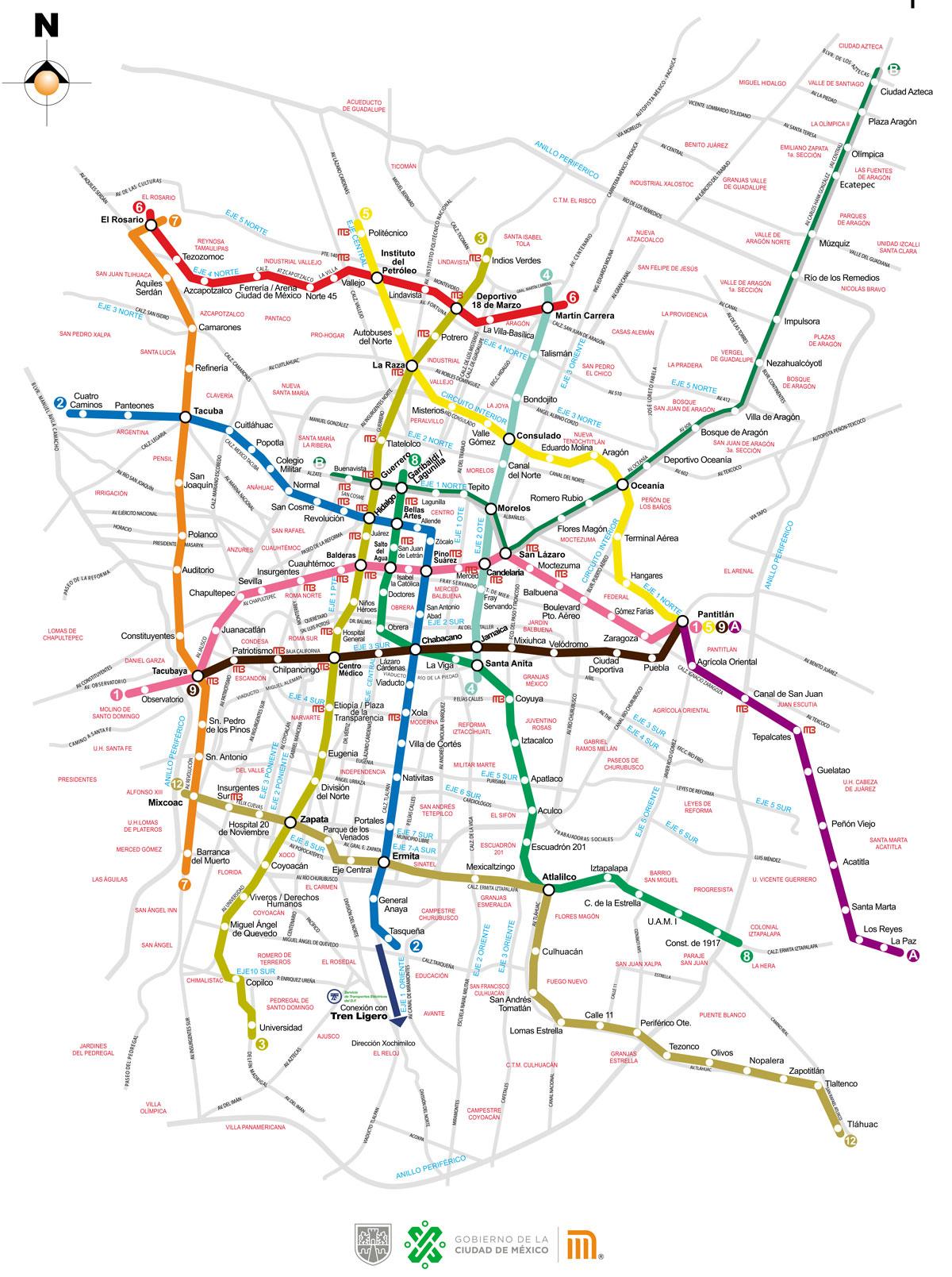
The metro in Mexico City is both quick and inexpensive – in 2026, a single journey costs just 5 pesos (less than 0.5 EUR / USD), no matter how far you travel.
We used the metro quite a lot ourselves, and it’s a great alternative to taxis during rush hour, when traffic on the roads can be heavy.
There are also city buses in Mexico City (which we didn’t try ourselves). It probably helps to know at least a little Spanish when using them.
Taxis and ride apps in Mexico City
In Mexico City, ride apps are the easiest and often safest way to get around.
We used Uber almost exclusively during our stay and had good experiences with it.
There’s also DiDi (though we couldn’t find it in the app store when we visited). Cabify and Beat no longer operate in Mexico.
Using ride apps requires mobile data, so if you don’t already have free roaming from your phone provider, consider buying a local SIM card or an eSIM. We’ve previously used Airalo eSIM with great success (adlink).
Of course, regular taxis are available, too. They are pink and white, and authorised plates begin with A or B.
Several governments advise visitors to avoid hailing taxis on the street and instead use authorised “sitio” stands (taxi stands) or taxis ordered by a hotel.
You can read more about them, as well as safety and tipping culture, in our transport guide to Mexico City.

Flying to Mexico City
We flew with KLM from Copenhagen to Amsterdam and then directly to Mexico City.
If you’re travelling from Europe or other parts of the world outside the USA, you’ll often have one or two connections.
Many flights from Europe connect through major hubs such as Amsterdam, Paris or Madrid, though some of the cheapest routes may go via the United States.
Remember, if your journey to Mexico includes a change of planes in the USA, you’ll still need permission to enter the country, even if you are only changing flights.
Search for the cheapest flights on Momondo here (adlink).

Safety in Mexico City
Is it safe to visit Mexico City?
Well, as in any major city, it’s important to use common sense in Mexico City, but we generally felt safe during our stay.
Safe areas in Mexico City
Most tourist neighbourhoods, such as Centro Histórico, Roma, Condesa and Polanco, are safe to walk around, especially during the day. Other areas can be more prone to crime.
It’s wise to be more cautious after dark and consider taking an Uber home rather than walking late at night.

Transport and safety
Taking an Uber is probably the safest and most convenient way to get around Mexico City. Uber rides are reliable and often quite affordable.
Public transport in Mexico City, including the metro and buses, is generally safe to use during the day. Just keep a close eye on your belongings, as opportunistic pickpocketing does occur.
Be cautious when hailing a taxi on the street, as some may be unlicensed. The official pink-and-white taxis are generally safe, but we preferred using Uber in Mexico City for ease and peace of mind.

When to visit Mexico City
At an altitude of 2,240 metres (around 7,350 feet), Mexico City enjoys a pleasant climate year-round.
Daytime temperatures are generally mild, ranging from 20 to 26°C (68-79°F), though evenings and nights can be cooler, particularly in winter when temperatures may drop to around 10°C (50°F).
From around May or June until early October, it’s the rainy season.
This means occasional afternoon showers with sudden heavy rain, so it’s a good idea to carry a rain jacket or umbrella.
On the other hand, the rain helps reduce some of the city’s air pollution.
During the dry season from around November to April, humidity is lower and rainfall is minimal. It’s ideal for sunshine lovers, though a warm sweater is useful for chilly winter evenings.
Sun protection is important throughout the year. At this high altitude, the sun can be quite strong even when temperatures feel mild.


When is the best time to visit Mexico City?
March to May offers the most beautiful weather and blooming jacaranda trees, but it is also high season with more tourists.
From June to August, you can often find good hotel deals if you don’t mind afternoon showers.
September to November has pleasant temperatures and plenty of cultural events (including Día de los Muertos!), while December to February is cooler and quieter.
Spring (March to May)
Spring is ideal for sun lovers, with temperatures around 26°C (79°F).
The city is at its most beautiful when the jacaranda trees bloom in shades of purple, often peaking in March.
Book accommodation well in advance during the high season.
Summer (June to August)
Summer is low season, making it perfect for budget travellers, as hotel deals are often available.
Be prepared for afternoon showers, which also help clear the air of pollution.
Daytime temperatures remain comfortable around 26°C (79°F).
Autumn (September to November)
Autumn brings some of the year’s biggest cultural events, with October and November standing out for Día de los Muertos celebrations, when the city is filled with colourful decorations and skeletons.
Temperatures are cooler, but still comfortable for sightseeing.
Winter (December to February)
Daytime temperatures range from 20 to 22°C (68-72°F), but evenings can be chilly, so bring a warm jacket.
Many hotels offer good deals during this period, though some restaurants and shops close around Christmas and New Year.
Tip: UV radiation is high year-round due to the city’s altitude. Always wear sunscreen and avoid direct sunlight around midday.
Our best tips for Mexico City
- Bring pesos. Larger restaurants and shops usually accept credit cards, but for smaller places, street food and markets, it’s a good idea to carry cash.
- Get a Mexican SIM card or eSIM with data. You can buy one at 7-Eleven or Oxxo in the airport arrivals terminal or in shops around the city. Airport SIMs are more expensive but convenient if you want to use Uber right away, for example. We bought Telcel because we had heard that it had the best coverage, and it worked well for us. We’ve also previously used Airalo (adlink) with great success.
- ¿Habla inglés? While many people in Mexico’s tourist areas speak some English, learning a few basic Spanish phrases can be helpful and appreciated.
- Use Google Translate. If you have data on your phone, you can use the camera function to translate things like menus and signs live. The microphone function is useful if you’re communicating with locals who can’t speak English.
- Plug type and voltage. Mexico primarily uses Type A and Type B plugs (flat, parallel prongs), similar to those used in the United States and Canada. Mexico operates on a 127V supply voltage and a frequency of 60Hz, so if you are coming from a region with different standards, check whether your devices are dual-voltage. It’s a good idea to bring an adapter if your devices use a different plug type.
- Avoid drinking tap water. We use a water filter from Tappwater (adlink) that fits most taps, making the water safe to drink. This allows us to refill our own bottles and avoid buying plastic. Large bottles of water can also be used. Brushing your teeth with tap water is generally fine (we did that without any problems). Alternatively, you can buy large bottles of water and use them to refill smaller bottles.
- Tips (“propinas”) are expected in many places. You can often choose between 10%, 15% and 20% on the card terminals. 10-15% is generally fine, with 20% for exceptional service. For Uber rides, tipping isn’t necessary, but it’s common and appreciated for good service, heavy traffic or luggage assistance. A standard tip is 10-20 pesos for short rides, or 10-15% for long trips.
- Protect yourself from the sun. The UV index is high due to the city’s altitude. Wear sunscreen and a hat, or stay in the shade around midday. Also, drink plenty of fluids to stay hydrated.

What to bring to Mexico City
- Travel insurance (adlink). Never travel without it!
- A good camera – here’s a guide to the gear we use.
- Sunscreen (adlink). As mentioned before, the UV index is high, so we recommend using an organic, vegan sunscreen without oxybenzone and other harmful chemicals.
- Good sneakers or sandals that you can walk around in all day.
- Swimwear and a towel if your hotel has a pool.
- A refillable water bottle.
- Cash is useful to have, particularly if you want to buy street food or souvenirs at the markets. Some places, such as the Palacio de Bellas Artes, only accept cash.

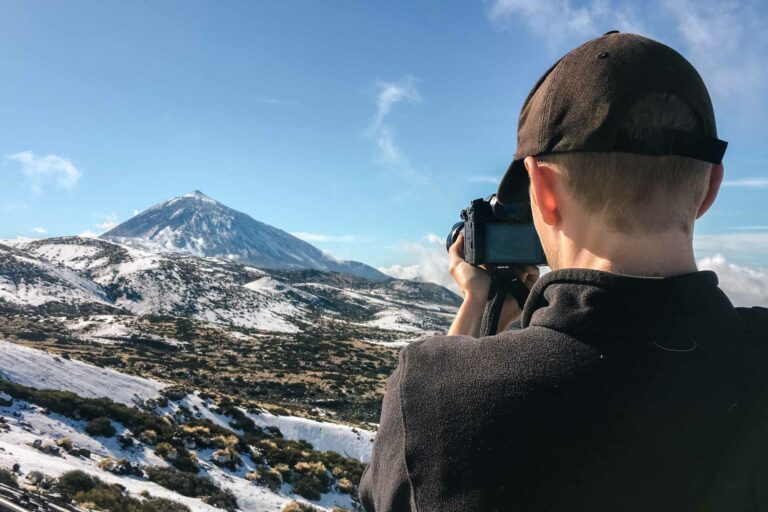
What camera, drone and accessories we use to capture life on the road
Read moreFAQ about Mexico City
Our Mexico City guide is long, so here are answers to some of the most frequently asked questions to help you find the information you need quickly.
Is Mexico City worth visiting?
Absolutely, oh yes. Mexico City offers fascinating history, excellent museums, leafy neighbourhoods, impressive architecture and one of the best food scenes we have experienced.
How many days do you need in Mexico City?
We recommend at least three full days in Mexico City.
Five to seven days gives you more time to explore different neighbourhoods and visit attractions such as Xochimilco and Teotihuacán without rushing around the enormous capital.
Is Mexico City safe for tourists?
Mexico City is generally safe to visit if you take the usual precautions.
Stay alert in crowded places, keep valuables out of sight and be more cautious after dark. We preferred using Uber for evening journeys.
Which areas of Mexico City are best for tourists?
Roma Norte, Condesa and Polanco are among the most popular areas for visitors.
They offer plenty of restaurants, cafés and hotels, while Centro Histórico is convenient for many of Mexico City’s famous sights.
What is the best time to visit Mexico City?
Mexico City is a year-round destination, but spring and autumn usually offer the most pleasant balance of temperatures and rainfall.
Summer brings regular afternoon showers, while winter days are generally mild with cooler evenings.
Is Mexico City expensive to visit?
The city can be surprisingly good value, especially if you eat local food and use public transport.
Entrance fees to the most popular Mexico City attractions are usually affordable, too.
Luxury hotels and fashionable restaurants can quickly push up your spending, but there are options at almost every price point.
What does CDMX stand for?
CDMX is short for Ciudad de México, the Spanish name for Mexico City.
You will see the abbreviation everywhere, from road signs and public transport to addresses and official websites.
Can you drink tap water in Mexico City?
It’s safest not to drink tap water in Mexico City. Use purified, boiled or bottled water instead.
Is Mexico City walkable?
Individual neighbourhoods such as Roma Norte, Condesa and Centro Histórico are easy to explore on foot.
Mexico City as a whole is far too large to walk around, so you will probably combine walking with the metro or ride-hailing apps.
Do you need cash in Mexico City?
Cards are accepted at many hotels, restaurants and larger shops, but cash is still useful for markets, street food and smaller businesses.
We recommend carrying some Mexican pesos rather than relying entirely on your card.
Will the altitude affect you in Mexico City?
Mexico City sits around 2,240 metres above sea level.
Many visitors notice nothing, but some experience mild headaches, tiredness or shortness of breath at first, so take it easy and drink plenty of water on your first day.
Can you visit Teotihuacán from Mexico City?
Yes. Teotihuacán is around 40 kilometres (~ 25 miles) northeast of Mexico City and is one of the capital’s best day trips.
Allow a full day so you have time to explore the archaeological site without rushing.
Thank you for reading our Mexico City guide
Thank you for reading our Mexico City travel guide!
We know it’s long, but hopefully it helped you plan your trip and discover some of the best things to do in Mexico City.
Have you already explored CDMX? We’d love to hear your top tips and favourite experiences.
If you haven’t been yet, feel free to ask us anything in the comments. We’re happy to help.

Our favourite travel resources:
- Booking.com for hotels and apartments.
- Momondo for the best flight deals.
- AirHelp for flight delay compensation.
- GetYourGuide for great tours everywhere.
- Airalo for reliable eSIM.
- Discover Cars for transparent car hire.
- SafetyWing for travel insurance. We also like True Traveller. Compared here.

Where to Stay in Tepoztlán: The Best Hotels for All Budgets
Our guide to the best areas and hotels, from central budget rooms to peaceful luxury retreats with pools.
-
Where to Stay in Cholula: The Best Areas & Hotels for All Budgets
Our guide to the best areas and hotels, from central budget rooms to peaceful luxury retreats with pools.
-
Where to Stay in Mexico City: The Best Areas & Hotels for All Budgets
Our recommendations for the best places to stay in Mexico City from budget to luxury