

A different side of Thailand
It took us countless trips to Thailand before we finally made it to Ayutthaya – the ancient capital just north of Bangkok.
We’re still not quite sure why we kept postponing it. Ayutthaya is a really interesting part of Thailand to experience.
Don’t make the same mistake we did!
Whether you’re planning an Ayutthaya day trip from Bangkok or considering staying a night or two in the city, the temples and historic ruins here are absolutely worth your time.
We chose to spend two nights at the beginning of 2026. As we were travelling with our two young children, we wanted to have enough time to see the temples and soak up the atmosphere.
That was perfect for us, as it meant we could take things at a relaxed pace, explore different temples in Ayutthaya early in the morning before the heat set in, and gradually adjust to the time difference from Denmark (since it was the first stop on our Thailand trip).
If you’re wondering what to do in Ayutthaya, how long to stay and when to visit, this Ayutthaya travel guide covers it all.
Below, we share the best temples in Ayutthaya along with practical tips to help you plan your trip.
Where to stay in Ayutthaya:
- Luxury: Sala Ayutthaya – Minimalistic riverside boutique hotel with temple views and pool.
- Value for money: Busaba Ayutthaya Hotel – Charming riverside stay with character and a great location.
- Value for money: P.U. Inn Resort – Not fancy, but affordable, central, with a pool and family-friendly rooms.
- Budget: Baiput Hometel – This is where we stayed. Conveniently located, simple rooms with mini-fridge, kettle, microwave and easy self-check-in.
Search for the best hotels in Ayutthaya here.
Table of contents
- Why visit Ayutthaya
- Where is Ayutthaya?
- How long to spend in Ayutthaya
- A very short history of Ayutthaya
- Temple dress code in Ayutthaya
- Best things to do in Ayutthaya
- What not to do in Ayutthaya
- Where to stay in Ayutthaya
- How to get around Ayutthaya
- How to get to Ayutthaya
- When to visit Ayutthaya
- Tips for visiting Ayutthaya

Why visit Ayutthaya
Thailand is so much more than postcard-perfect beaches. Although there are lots of things to do in Bangkok, we’d argue that Ayutthaya, just around 1.5 hours north of the current capital, deserves a place on your itinerary too.
Ayutthaya was once the ancient capital of Siam (after Sukhothai), and the temples here feel completely different from the glittering, polished ones you’ll see in Bangkok.
Many are centuries old, beautifully weathered and partly in ruins – which is exactly what gives the city its character.
In a lot of ways, it reminded us of Angkor Wat in Cambodia and Bagan in Myanmar.
Crumbling brick temple towers, leaning chedis and Buddha statues wrapped in saffron cloth create an atmosphere that feels historic rather than ornamental.
You won’t find quite the same concentration of temples as in Chiang Mai, but there is still plenty to see. A big part of the historical park is even declared a UNESCO World Heritage Site.
If it’s your first time in Thailand and you have a few days in Bangkok, an Ayutthaya day trip is a brilliant way to experience a different side of the country.
And if you’re returning to Thailand again and again like us (and have already spent a lot of time in Bangkok), why not slow things down with a night or two in the old capital and enjoy its more relaxed pace?

Where is Ayutthaya?
Ayutthaya actually refers both to the modern provincial city (full name: Phra Nakhon Si Ayutthaya) and the UNESCO-listed historic site.
However, when most travellers say “Ayutthaya”, they’re usually referring to the ancient ruins inside the Ayutthaya Historical Park, and that’s what we’re covering in this Ayutthaya guide as well.
It’s located in central Thailand, around 80 kilometres (50 miles) north of Bangkok.
By train, car or minivan, the journey usually takes about 1 to 2 hours, which makes it a great destination to combine with the current capital.
The historical park sits on an island formed by three rivers (the Chao Phraya, Lopburi and Pa Sak), and they once helped protect it as the powerful capital of the Siamese kingdom.
Today, the river setting gives Ayutthaya a calm feel, especially compared to Bangkok’s pace.
How long to spend in Ayutthaya
If your main goal is to experience the highlights, you can absolutely cover the best things to do in Ayutthaya on a day trip from Bangkok – especially if you leave early and plan your route between the main temples.
That said, Ayutthaya rewards a slower pace.
If you’d like time for a proper lunch, breaks during the hottest hours and space to wander beyond the most famous ruins, spending a night or two in the city makes a real difference.
Staying overnight means quiet mornings before the tour buses arrive and relaxed evenings by the river, with parts of the old capital softly lit after dark.
There are plenty of good restaurants in the city, and if you’re there in the evening rather than heading straight back to Bangkok, you can visit the night market as well.
What we did in Ayutthaya
We went straight from the airport in Bangkok to Ayutthaya and had a few hours to explore that first afternoon, followed by a full day the next day.
Travelling with children, two nights worked well for us.
It gave us enough time to enjoy the temples at our own pace without feeling rushed. One night would likely have felt a bit tight.
With three nights and two full days, we would probably have explored further beyond the main part of the historic park, which would have been lovely at our child-friendly pace.
Still, we imagine that for most visitors, two nights in Ayutthaya strikes the right balance between seeing the highlights and keeping the trip relaxed.
If you’re considering visiting in just one day, take a look at our guide to visiting Ayutthaya on a day trip from Bangkok.

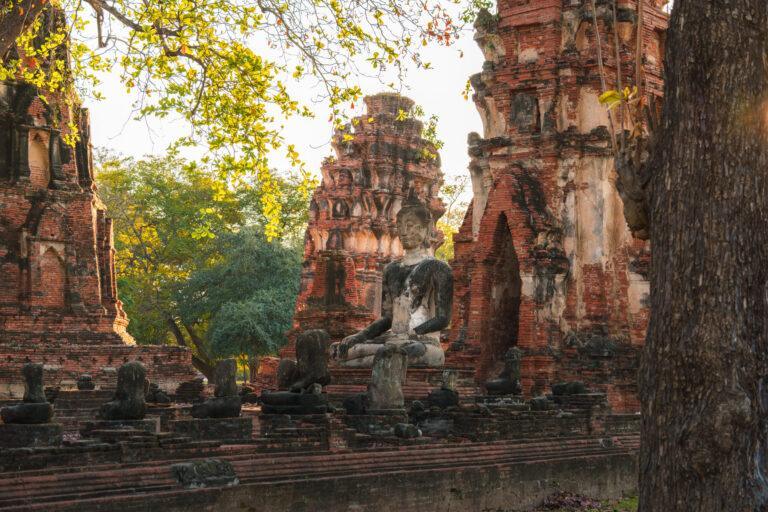
How to get to Ayutthaya from Bangkok, must-see temples and our best tips to visit the ancient capital
Read moreA very short history of Ayutthaya
Ayutthaya was once the capital of the Kingdom of Siam (which is the old name for Thailand), long before Bangkok became Thailand’s main city. Sukhothai was the earlier capital.
The city of Ayutthaya was founded in 1350 and quickly grew into one of the most important places in Southeast Asia.
At its peak, it was a busy international trading hub where merchants from all over the world came to buy and sell goods, and it was known for its impressive temples, royal palaces and canals.
For more than 400 years, Ayutthaya was the centre of power in the region, but in 1767, the city was attacked and largely destroyed during a war with Burma (now Myanmar).
Many temples and buildings were burned or abandoned, which is why much of Ayutthaya today consists of ruins.
The remains of the old capital are protected within the Ayutthaya Historical Park. Here you can walk among the centuries-old temples and imagine what the great city once looked like – at least that’s what we did.

Temple dress code in Ayutthaya
Most temples in Ayutthaya are active religious sites, so modest clothing is expected when visiting.
This generally means:
- Shoulders covered.
- Shorts or skirts reaching at least to the knees.
- No crop tops or overly revealing clothing (like strapless tops, tank tops with very thin straps or wide necklines).
In general, both shoulders and knees should be covered when entering temple grounds.
Lightweight trousers, long skirts or a simple T-shirt work perfectly in the Thai heat and make it easy to move between temples comfortably.
Dressing modestly is a small gesture of respect for the local culture and religion. While some temples are stricter than others, it’s always the safest approach.
Bonus tip: Wear shoes that are easy to remove, such as sandals or flip-flops. You’ll sometimes need to take your shoes off when entering certain temple buildings, so it’s convenient if they slip on and off quickly.

Best things to do in Ayutthaya
Most people visit Ayutthaya for its extraordinary temple ruins, and rightly so.
The Ayutthaya Historical Park protects the remains of Thailand’s former capital, and it’s the main reason to visit.
Within the historical park and just beyond it, you’ll find centuries-old temples, serene Buddha statues and riverside viewpoints that together tell the story of old Siam.
These historic sites are at the heart of what to do in Ayutthaya, but there are also a few overlooked attractions that deserve a place on your itinerary.
Below, we’ve gathered the best things to do in Ayutthaya – including the most famous temples and some of the lesser-known sights.
Cover your shoulders and knees – then let’s go explore!
Here are the best things to do in Ayutthaya:
- Wat Mahathat – The iconic Buddha head in the tree roots
- Wat Ratchaburana – Climb the temple tower
- Wat Chaiwatthanaram – A riverside temple with stunning views
- Wat Phra Si Sanphet – The three iconic chedis
- Wihan Phra Mongkhon Bophit – One of Thailand’s largest bronze Buddhas
- Bueng Phra Ram Park – A peaceful green break
- Wat Lokayasutharam – The big reclining Buddha
- Wat Yai Chai Mongkhon – A giant chedi and another reclining Buddha
- Wat Phutthaisawan – Quiet ruins by the river
- Wat Phukhao Thong – A white stupa outside the historic park
- Ayutthaya Night Market – Street food and evening atmosphere
- Chao Sam Phraya National Museum – Treasures from the old capital
- Rent a bicycle – Cycling between the temple ruins
- Take a boat ride – Seeing the ruins from the water
1. Wat Mahathat – The iconic Buddha head in the tree roots
Okay, let’s start with what is, in our opinion, one of the absolute highlights and one of the best things to see in Ayutthaya: Wat Mahathat.
This is probably the most popular temple complex in the city, and for good reason, because you’ll find… Drumroll…
The famous Buddha head entwined in the roots of a banyan tree!
The Buddha head itself isn’t huge, but it’s still really cool to see – and it’s easily the most photographed sight in Ayutthaya.
Naturally, it was one of the first places we went when we arrived.
The golden light was magical in the afternoon!
Beyond the tree-root Buddha, you’ll find old brick temple towers, headless statues and scattered ruins dating back to the 14th century, when Ayutthaya was at the height of its power.
We ended up spending almost an hour and a half here, exploring the grounds, taking photos and circling the ruins from different angles.
It’s worth mentioning, though, that we paused for nursing breaks for our four-month-old and squirrel spotting for our two-year-old along the way, so most visitors will likely need less time than we did.
Price in 2026: 80 baht per adult (~ 2.1 EUR / 2.5 USD).


2. Wat Ratchaburana – Climb the temple tower
Just a short walk from Wat Mahathat, Wat Ratchaburana is another Buddhist temple you shouldn’t miss when visiting Ayutthaya.
The two complexes sit almost side by side, which makes it very easy to visit them together.
Wat Ratchaburana dates back to 1424, when it was built by King Borommarachathirat II.
It’s known for its impressive central prang (temple tower), which rises high above the surrounding ruins.
One of the most interesting things here is that you can actually climb partway up the restored central prang.
From the upper level, you get a great view across the surrounding temple grounds and nearby ruins (including the area around Wat Mahathat).
Inside the tower, a steep staircase leads down into a small crypt chamber where important relics and royal treasures were once kept.
Many of the artefacts discovered there are now displayed at Chao Sam Phraya National Museum nearby.
Price in 2026: 80 baht per adult (~ 2.1 EUR / 2.5 USD).


3. Wat Chaiwatthanaram – A riverside temple with stunning views
One of the most famous sites and best things to see in Ayutthaya is Wat Chaiwatthanaram (sometimes spelt Wat Chai Watthanan Ram).
The temple is centred around a large central prang surrounded by four smaller prangs and rows of Buddha statues – some headless and some intact.
Walking around the temple and seeing it from every angle was a real highlight for us. It feels both grand and serene at the same time.
We arrived around 11:00, which was early enough to beat the crowds but nowhere near early enough to beat the heat.
Although many travel guides suggest Wat Chaiwatthanaram is at its most beautiful at sunset, going earlier meant we had the place almost to ourselves, as most visitors arrive from Bangkok later in the day.
There’s little shade on site, so early morning or late afternoon is the most comfortable time to explore.
We spent about an hour here, but you can see the main sights in less time if you’re not travelling with children or snapping as many photos as we do.
Also, our blond son had to stop and pose for photos with some of the other visitors along the way!
The temple’s location on the western banks of the Chao Phraya River makes it truly spectacular.
If we return one day (fingers crossed), we’d make sure to see this view at sunset – it must be magical as the sun dips over the river and lights up the prangs.
Price in 2026: 80 baht per adult (~ 2.1 EUR / 2.5 USD).


4. Wat Phra Si Sanphet – The three iconic chedis
If you’ve looked up Ayutthaya online, chances are you’ve already seen Wat Phra Si Sanphet.
The temple’s three large bell-shaped chedis form one of the most recognisable sights in the old capital and are incredibly photogenic from almost every angle.
Each chedi was built to hold the ashes of a king from the Ayutthaya dynasty, and it made the temple one of the most important religious sites in the kingdom.
Wat Phra Si Sanphet once stood within the grounds of the royal palace and functioned as the kingdom’s holiest temple.
Unlike many other temples in Ayutthaya, monks did not live here, and instead, it was used mainly for royal ceremonies and important religious events connected to the court.
Although much of the original complex was destroyed in the 18th century, the famous chedis remain impressive to see up close.
Their symmetry and historical importance make Wat Phra Si Sanphet one of the best things to do in Ayutthaya, and you should definitely put it on your itinerary.
You don’t need a huge amount of time here, but the temple is easy to combine with nearby Wihan Phra Mongkhon Bophit (which we will share more about below).
Price in 2026: 80 baht per adult (~ 2.1 EUR / 2.5 USD).


5. Wihan Phra Mongkhon Bophit – One of Thailand’s largest bronze Buddhas
Just next door to Wat Phra Si Sanphet, you’ll find Wihan Phra Mongkhon Bophit, and with its more modern architecture, it offers a nice contrast to the surrounding ruins.
It’s a large temple hall that houses one of the biggest bronze Buddha statues in Thailand (covered in gold leaf).
Unfortunately for us, the giant Buddha was under restoration when we visited, so we couldn’t see it in its full glory. Still, it was interesting to step inside for a short while.
The golden Buddha image is approximately 13 metres tall and is believed to date back to the Ayutthaya period.
Worshippers still come here to pray and make offerings, which gives the hall a calm yet active atmosphere compared to some of the nearby temple ruins.
Since it’s located right next to Wat Phra Si Sanphet, it’s an easy and worthwhile addition while exploring the area – and it’s free!


6. Bueng Phra Ram Park – A peaceful green break
Between Wat Mahathat and Wihan Phra Mongkhon Bophit/Wat Phra Si Sanphet, you’ll find Bueng Phra Ram Park.
It’s a calm green space located among several ancient temple ruins, and it’s perfect for a relaxing pause while exploring the Ayutthaya Historical Park.
The park surrounds a scenic lake and has a slightly jungle-like feel with shady trees, water and quiet paths.
While it’s not really a destination in itself, it’s a pleasant place to walk through between temple visits or rest in the shade.
We found it to be a surprisingly peaceful spot in the middle of the historic area, and the atmosphere is especially calm in the early morning or late afternoon.
If you’re lucky, you might even spot water monitors, squirrels or birds enjoying the park as well.

7. Wat Lokayasutharam – The big reclining Buddha
One of the more unusual sights in Ayutthaya is Wat Lokayasutharam: a large reclining Buddha lying out in the open among some (not so interesting) temple ruins.
The statue stretches around 40 metres in length – some say a little less, some say a little more, but either way, it’s one of the biggest reclining Buddhas in Ayutthaya.
Unlike the golden 46-metre-long reclining Buddha at Wat Pho in Bangkok, this one sits completely outdoors with no roof above it, often draped in bright saffron cloth.
It used to look older and more weathered, which gave it a certain charm. After the recent restoration, the statue now appears cleaner with a more beige-yellow tone.
We personally felt it had a bit more character before the restoration, but it’s still an interesting sight and worth a quick visit.
In front of the Buddha, you’ll usually see small offerings of flowers and incense, and there’s also a smaller Buddha statue where you can place thin sheets of gold leaf as part of a traditional Thai offering.
The surrounding area only has a few scattered brick ruins and is not particularly interesting (to us, at least).
For that reason, we only stopped here briefly before continuing to the next temple – and so do most other people.
It’s free to visit, though!


8. Wat Yai Chai Mongkhon – A giant chedi and another reclining Buddha
Located a little southeast of the main area of the Ayutthaya Historical Park, Wat Yai Chai Mongkhon is one of the most impressive temple complexes in the city.
The temple is best known for its large central chedi, which rises high above the complex.
Around its base, you’ll find long rows of seated Buddha statues, and it looks so photogenic!
There are also smaller shrines, courtyards with well-kept greenery and plenty of Buddha images scattered around the grounds.
You’ll also find a reclining Buddha adorned in bright yellow cloth here, though it’s smaller than the reclining Buddha at Wat Lokayasutharam.
Since the complex is outside the central historic park, the atmosphere is often a little quieter than the temples right in the centre.
It honestly looks gorgeous, and it’s easily one of the best things to see in Ayutthaya.
Unfortunately, we didn’t make it there on this trip. As we were travelling with our two little children and mostly explored the temples in the central part of the historic park, the location was just a bit too far for us this time.
When we return to Ayutthaya, Wat Yai Chai Mongkhon is very high on our list!
Price in 2026: 40 baht per adult (~ 1 EUR / 1.2 USD).

9. Wat Phutthaisawan – Quiet ruins by the river
Located south of Ayutthaya on the other side of the Chao Phraya River, there’s a peaceful temple ruin that’s worth a short detour if you have some spare time.
Wat Phutthaisawan (meaning “Monastery of Buddhist Kingship”) features a tall, white central prang, and since it’s one of the temples that survived the destruction of Ayutthaya, it’s in a better condition than the other ruins.
Next to the prang, you’ll notice some newer buildings, while parts of the site are overgrown, giving it a slightly wild, natural feel.
You will also see lots of golden Buddha statues draped in bright orange cloths.
One of the highlights here is another reclining Buddha (they do love those in Thailand, in case you haven’t noticed).
While it isn’t as large as some of the others in Ayutthaya, it looks really cool behind the old, crumbling walls with missing windows, blending perfectly with the historic ruins.
Since it’s a minor temple, it’s rarely crowded, and there’s no entry fee.
We couldn’t squeeze it into our own visit with little ones, but we wanted to include it in our guide to the best things to do in Ayutthaya for anyone with extra time to explore.


10. Wat Phukhao Thong – A white stupa outside the historic park
Another temple we unfortunately missed on our own visit, but later came across while researching this travel guide to Ayutthaya, is Wat Phukhao Thong.
The temple is located northwest of the historic centre, about 10 minutes by car. If you can’t get enough of Ayutthaya’s temples, it looks well worth the trip.
The site is dominated by one large white stupa standing alone in the landscape.
Its architecture is quite different from most other temples in Ayutthaya, and the stepped design actually reminds us a little of Wat Arun in Bangkok.
You can actually climb up to the upper terrace, where you’ll get wide views across the surrounding park and countryside.
From the top, you can even spot the back of the nearby King Naresuan monument.
Price in 2026: 20 baht per adult (~ 0.5 EUR / 0.6 USD).

11. Ayutthaya Night Market – Street food and evening atmosphere
While the ancient temples dominate most lists of what to do in Ayutthaya, they’re only part of what makes the city worth visiting.
If you’re spending the night in Ayutthaya (and we think you should!), visiting a night market is a fun way to experience the city after the temples close.
One of the most popular spots is the Ayutthaya Night Market, which is a lively market on Bang Ian Road near Wat Mahathat and the eastern historic park area.
From around 16:00 and into the evening, food stalls set up along the street selling everything from Thai snacks and grilled skewers to fruit smoothies and desserts.
Night markets are everywhere in Thailand, and we almost always end up wandering through them when we travel here.
Even though we don’t eat everything on offer, it’s part of the experience: colourful stalls, exotic spices in the air, sizzling grills and locals picking up dinner or a snack.
Our hotel, Baiput Hometel (adlink), happened to be located on a small side street just off Bang Ian Road, so we actually passed through the night market twice on our way back in the evening.
Since most people visit Ayutthaya on a day trip from Bangkok, the night market is one of the small perks of staying overnight in the city, and we thought it was a nice way to end the day.


12. Chao Sam Phraya National Museum – Treasures from the old capital
The big temples and towering stupas usually steal the spotlight in Ayutthaya, and admittedly, that’s what we focused on most during our visit, too.
But if you’re curious about how the ancient capital once flourished, how it eventually fell, and what life in Ayutthaya looked like centuries ago, the Chao Sam Phraya National Museum is the place to go.
Inside the museum, you’ll find artefacts, sculptures and treasures that were discovered in the temples and ruins of Ayutthaya, including items recovered from crypts at temples like Wat Ratchaburana.
Many of these objects were originally buried as offerings or hidden away during turbulent times.
The collection includes gold jewellery, Buddha images, ceramics and other relics from the Ayutthaya period.
If you have the time, we think it’s a great way to understand the city’s history beyond the ruins you see around town.
On a practical note, the tropical heat gets a bit intense in the middle of the day, so the museum is also a good place to spend some time indoors and cool down in the shade before heading back out to explore more temples.
Price in 2026: 200 baht per adult (~ 5.3 EUR / 6.2 USD).
Read more about the museum and opening hours on what we believe to be the official website (the design certainly suggests it has been around for a while).
Note: The museum is closed on Mondays, so plan around that if you’re visiting Ayutthaya at the start of the week.

13. Rent a bicycle – Cycling between the temple ruins
One of the most popular ways to explore Ayutthaya is by bicycle.
The city is mostly flat, and many of the temples inside the Ayutthaya Historical Park are connected by quiet roads and paths that make cycling pleasant.
Bicycle rentals are widely available around the historic centre, and prices are usually around 50 baht per day (in 2026).
Some guesthouses and smaller hotels even offer bicycles to their guests free of charge, which can be a nice little bonus if you’re staying overnight.
We’re from Copenhagen, so we normally bike pretty much everywhere!
On this trip, though, we were travelling with our two small children, so cycling around Ayutthaya wasn’t really an option for us.
When we visited Bagan in Myanmar back in 2014, we explored the temples by bike and absolutely loved it, and Ayutthaya seems like a similar kind of place where cycling between the ruins could be a really fun way to get around.
Cycling makes it easy to move between temple clusters at your own pace and stop whenever something catches your eye.
Just remember that the heat can be intense in the middle of the day, so bringing water, sunscreen and a hat is highly recommended.

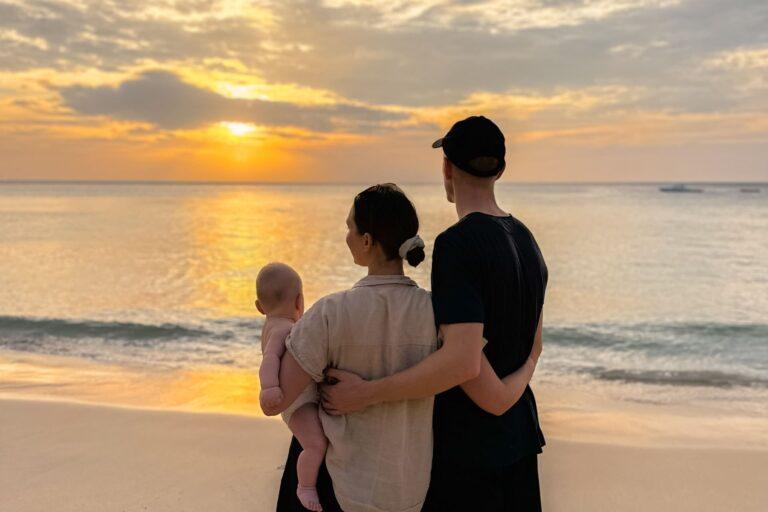
Everything we know about travelling in Thailand with a baby – including safety, packing, flights and where to stay
Read more14. Take a boat ride – Seeing the ruins from the water
Another interesting way to experience Ayutthaya is by taking a boat ride along the Chao Phraya River and the surrounding canals.
From the water, you get a completely different perspective of the old temples and city walls, with several ruins being on the outer banks of the river.
Some boat tours stop at temples along the way, while others focus on a relaxing cruise around the island (often timed for sunset).
It’s a great option if you want to see the historic city from another angle or simply enjoy a break from walking between temples in the heat.
Advertisement
What not to do in Ayutthaya
Elephant riding
Elephant riding is still promoted by some tour operators in Ayutthaya, often as a “traditional” way to see the ancient temples.
You’ll usually find elephant rides offered around the historic park near Wat Mahathat and Wat Phra Si Sanphet, where elephants in “pretty costumes” are carrying tourists on their backs.
We actually saw a lot of the elephants parading around the streets with tourists on top during our visit in 2026, and we had honestly hoped this practice would have ended by now.
While it might feel like a fun and memorable ride for a few minutes, it’s important to remember that for the elephants, this is their entire life.
To make elephants carry people, perform tricks or interact with visitors, they typically go through a brutal training process designed to break their spirit and make them obedient to humans.
This can involve beatings, starvation, sleep deprivation and other forms of abuse.
Even after the training, the work itself can be harmful. Carrying heavy platforms and tourists for hours each day puts enormous strain on their backs and joints, often leading to long-term injuries.
Although elephant riding is still widely practised in parts of Thailand, we strongly encourage travellers not to support it.
We have written more about why you shouldn’t ride elephants here.


Elephant riding isn’t harmless – think twice before supporting their suffering
Read moreWhere to stay in Ayutthaya
Choosing where to stay in Ayutthaya can make a big difference to your trip.
Staying on the historical island means you can walk or cycle to many of the main temples, while riverside hotels offer a slower pace with scenic views and more atmosphere.
We’ve put together a detailed guide to where to stay in Ayutthaya, covering how to choose the best area for you, what to expect from different types of accommodation, and our handpicked hotel recommendations for all budgets (from simple guesthouses to boutique riverside stays).
You can also see our favourites below.
Where to stay in Ayutthaya:
- Luxury: Sala Ayutthaya – Minimalistic riverside boutique hotel with temple views and pool.
- Value for money: Busaba Ayutthaya Hotel – Charming riverside stay with character and a great location.
- Value for money: P.U. Inn Resort – Not fancy, but affordable, central, with a pool and family-friendly rooms.
- Budget: Baiput Hometel – Conveniently located, simple rooms with mini-fridge, kettle, microwave and easy self-check-in (where we stayed).
Search for the best hotels in Ayutthaya here.


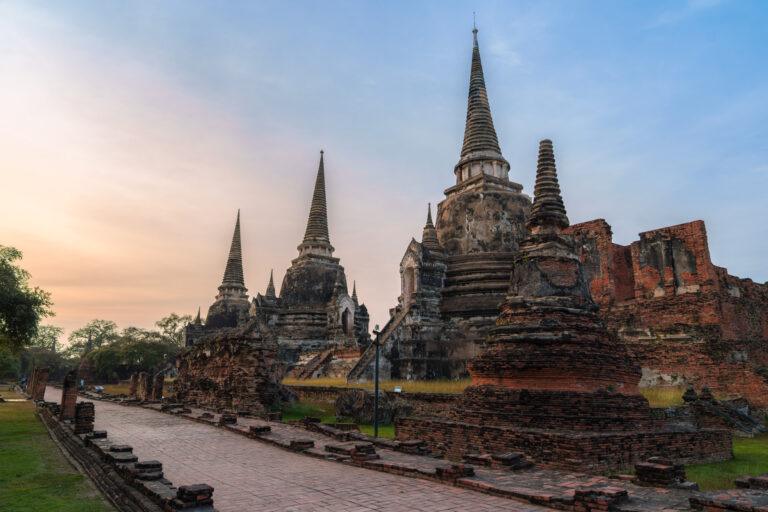
Our recommendations for the best places to stay in Ayutthaya, Thailand (from budget guesthouses to luxury hotels)
Read moreHow to get around Ayutthaya
Walking
Ayutthaya is flat, fairly compact and surprisingly peaceful between the temple clusters, which makes it pleasant to explore on foot.
There are pavements on most streets, and we actually found the city more stroller-friendly than expected, with ramps on many pavements and even around several temple grounds.
Many of the main sights inside the Ayutthaya Historical Park are within walking distance of each other, but a few of the bigger temples outside the centre are located a little further apart and getting some form of transport can save both time and energy.


Tuk-tuk, taxi or ride-share
Some of the most popular things to do in Ayutthaya are spread out, so if you’re short on time, travelling with children or simply want to rest your legs, it’s easy to hire a tuk-tuk or use a ride-share app.
Tuk-tuks are the most common option and can be hired for a single trip or for several hours, and many drivers offer temple routes around the historic park.
It’s a good idea to agree on the price beforehand!
At some tuk-tuk stands, you’ll see boards listing approximate fares, which are often around 200 baht (~ 5.3 EUR / 6.2 USD) per hour, though prices can vary depending on the route and group size. Tuk-tuks normally take cash only.
Ride-share apps like Grab and Bolt work well in Ayutthaya.
Cars are often cheaper than tuk-tuks, and we like that we can skip negotiating prices, enjoy the air-conditioning and pay by credit card directly in the app, although wait times can sometimes be longer than simply hailing a nearby tuk-tuk.

Bicycle
The roads are mostly flat, and traffic is manageable (especially compared to Bangkok!), so cycling is a common way to get around Ayutthaya.
Bike rentals are easy to find around the historic centre and usually cost around 50-100 baht per day (in 2026).
Some guesthouses and hotels even lend bicycles to guests for free!
We didn’t do this ourselves on this trip because we were travelling with little kids, but in 2014, we explored the temples in Bagan, Myanmar, by bike and loved it.
Just keep in mind that the heat can be intense during the day, so it helps to plan your route and bring plenty of water, a hat and sunscreen.

Scooter
If you want to cover more ground, renting a scooter is another option.
Scooters are available from several rental shops around town and give you the flexibility to reach temples that are a bit further away, such as Wat Yai Chai Mongkhon or Wat Phukhao Thong.
Prices are usually quite affordable for a day’s rental, but it’s worth knowing that traffic rules are not always strictly followed and roads can be busy in certain areas.
If you choose this option, remember to wear a helmet, carry your international driving licence and take photos of the scooter before renting it in case there are existing scratches or damage.
Also, remember to drive on the left side of the road.

Boat rides on the river
Since Ayutthaya sits at the meeting point of several rivers, going on a boat trip along the Chao Phraya River is another way to see the city.
Some tours stop at temples along the riverbanks, while others focus on sunset views of the ruins from the water.
Boat rides are a good option if you’d like to see the temples from a different angle without walking or cycling too much, or if you simply want a more relaxed (and romantic) break between sightseeing.
Most trips usually start from the riverfront near the historic park or from piers close to the night market area, and they can often be booked through hotels, guesthouses or local tour stands around town.
Advertisement
Day trip from Bangkok
If you’re short on time and can’t stay overnight, visiting Ayutthaya on a day trip from Bangkok is very common.
Most tours include transport for the whole day, where a driver drops you off near the temples and waits while you explore.
There are many options for tours in different price ranges, depending on the type of transport and how private the tour is.
You can check out our full guide on how to take a day trip to Ayutthaya from Bangkok or see some of the options below.
Advertisement

Everything you need to know about Thailand’s capital, including what to do, plenty of photos and our top tips
Read moreHow to get to Ayutthaya
Getting to Ayutthaya is relatively easy since it’s just north of Bangkok.
Most travellers reach Ayutthaya from Bangkok by car, train or minibus, though river cruises along the Chao Phraya River are another option.
Ayutthaya is located about 80 kilometres (50 miles) north of Bangkok, which means the journey usually takes between one and three hours, depending on the mode of transport and where you depart from.
If you’re travelling between Bangkok and northern Thailand, Ayutthaya can make a convenient stop along the way.
Trains running from Bangkok toward cities such as Chiang Mai pass through Ayutthaya, and the same applies if you’re coming from the north toward Bangkok.
Travellers heading through northeastern Thailand sometimes pass through Ayutthaya as well, especially when travelling between Bangkok and Udon Thani on the way to Vientiane in Laos.
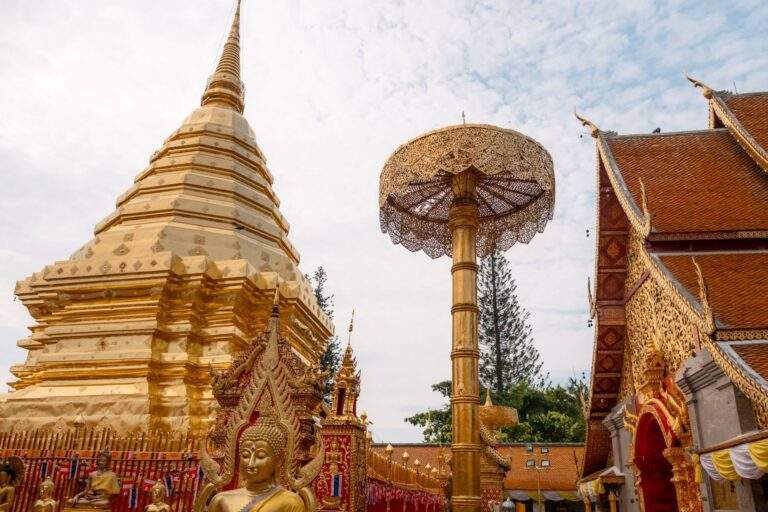
All you need to know about Chiang Mai in Northern Thailand, including what to see, lots of photos and our best tips
Read morePrivate car
As we were travelling with kids and quite a bit of luggage, we booked a private van from Suvarnabhumi Airport to Ayutthaya, which took about 1.5 hours.
Later, we travelled back to Don Mueang International Airport, which only took about an hour, before flying onward to Laos.
It was easy and comfortable, though certainly not the cheapest option.
Book the trip via a ride-share app like Grab or Bolt, hail a taxi or arrange transport in advance through 12Go (adlink).
Minibus
A more budget-friendly alternative is taking a shared minibus from Bangkok.
Most minibuses (shared vans) to Ayutthaya leave from the northern part of Bangkok from the large bus terminal called Mo Chit Bus Terminal.
Vans typically depart every 15-30 minutes (when full) from early morning until evening, and the journey takes around 1-1.5 hours.
You can reach Mo Chit Bus Terminal by BTS Skytrain to Mo Chit BTS Station or by taxi/ride-share.
In 2026, a one-way ticket usually costs around 70 baht (~ 1.9 EUR / 2.2 USD) per person, though if you travel with large luggage, you may be asked to purchase an additional seat for it.
You can also purchase a ticket in advance on 12go (adlink).
They typically arrive at Ayutthaya Win/Minibus Station, located close to the city centre.
From there, you can often walk to nearby hotels or grab a tuk-tuk to the temples.
Though the train is often easier logistically (as the Mo Chit Bus Terminal is quite far from central Bangkok), the minibus might be the best option for some budget travellers.
Train
Travelling by train is one of the cheapest ways to reach Ayutthaya from Bangkok, and trains depart from a few different stations depending on where you are.
From Don Mueang International Airport, there are direct trains to Ayutthaya Railway Station, and the journey takes roughly 45 minutes to 1 hour and 20 minutes.
From Suvarnabhumi Airport, the trip takes longer since you first need to travel to Bangkok and then connect to the main railway line. There are no direct trains. Expect the total journey to take around 2.5 to 3 hours, depending on connections.
If you’re staying in Bangkok, the main long-distance railway hub is Krung Thep Aphiwat Central Terminal (formerly known as Bang Sue Grand Station).
This station is north of central Bangkok, and you can reach it by taxi, Grab or the MRT (subway).
Historically, trains only departed from Hua Lamphong Railway Station in Bangkok’s Chinatown area, and that’s why you will see it mentioned as an option in some Ayutthaya travel guides.
However, most long-distance services have moved to Krung Thep Aphiwat today. Hua Lamphong still serves Ayutthaya with a few daily ordinary trains, though, and if you are staying in central Bangkok, that’s worth checking out.
If you’re travelling on a budget and can manage your luggage, the train is a great option.
Where to buy tickets
Most travellers buy their train ticket at the station shortly before departure, as local trains run frequently and reservations are usually not required.
You can also book via 12go (adlink) if you want to check schedules, compare train classes or prefer paying by credit card.
Getting from the train station to the temples
When you arrive at Ayutthaya Railway Station, the historic centre is on the other side of the river.
From the station, you can take a short ferry across the river, where you’ll find tuk-tuks waiting to take you to your hotel or the temples.
You can also use a ride-share app to get picked up directly from the station.
Boat
Since Ayutthaya is located along the Chao Phraya River, some travellers choose to arrive by river cruise from Bangkok.
These trips sometimes include guided visits to the temples and food in Ayutthaya before returning to Bangkok by boat or by road. Make sure to read the details before booking.
They tend to take most of the day, but it can be a scenic and relaxed way to travel between the two cities.
Advertisement
Which option should you choose?
The best way to reach Ayutthaya from Bangkok largely comes down to time, budget and comfort, but your starting point in Bangkok can play a big role too.
For example, you might be arriving at Suvarnabhumi Airport or Don Mueang International Airport, staying near a train station, or simply prefer a service that picks you up directly from your hotel.
The train is usually the cheapest option and works well if you’re travelling light.
Minibuses are slightly faster and still very affordable.
If you’re travelling with lots of luggage, kids or just want the most convenient journey, a private car or van with hotel pickup can be the easiest solution.
Boat cruises along the Chao Phraya River are the most scenic option, though they take longer and are typically more expensive.
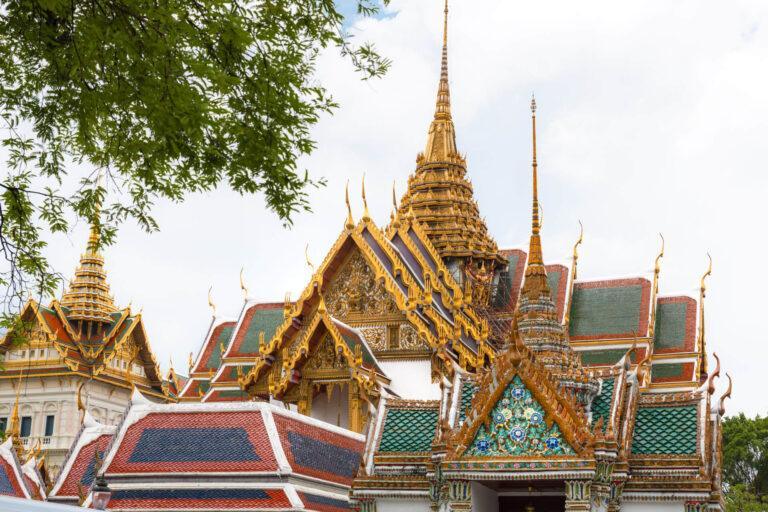
Our recommendations for the best places to stay in Bangkok from budget to luxury
Read moreWhen to visit Ayutthaya
Best time of day to visit the temples
Most temples in Ayutthaya open around 8 in the morning, though it’s always worth checking the opening hours of the specific site before visiting.
We recommend getting there as early as you can, as the temperatures rise quickly during the day, and the strong sun can make exploring the ruins much more tiring.
Arriving early not only helps you avoid the worst of the heat, but you’ll often experience the temples with far fewer visitors, especially at major sights inside the Ayutthaya Historical Park such as Wat Mahathat and Wat Phra Si Sanphet.
Late afternoon can be another pleasant time to visit, when the light softens and the temperatures begin to drop again.

Weather and seasons
With temperatures rarely dropping below 20°C (68°F) and sometimes reaching up to 40°C (104°F), Ayutthaya is warm throughout the year.
There are still distinct seasonal variations, though, which can be helpful to know when planning a visit.
Check out our full guide to when to visit Thailand here.
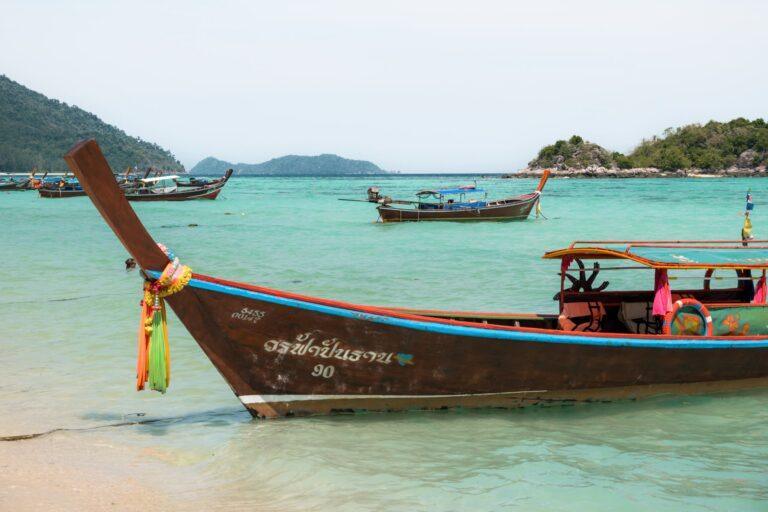
The best times to visit Thailand and what to expect – from the tropical islands to the northern hills
Read moreThe cool season (high season)
The best weather in Ayutthaya, with relatively cooler temperatures, can be found from around November to February.
During the day, it’s comfortable for walking around the temple ruins inside the Ayutthaya Historical Park (although it’s still hot!), and in the evening and at night, temperatures may drop to just above 20°C (68°F).
This is also the most popular time to visit, especially for day trippers coming from Bangkok.
The hot season (low season)
It starts to get hot on the Thai mainland in March, with temperatures typically peaking in April when places like Ayutthaya can reach as high as 40°C (104°F).
Since most sightseeing in Ayutthaya involves walking between exposed temple ruins with very little shade, the heat can feel especially intense in the middle of the day.
It’s often a good idea to explore early in the morning or later in the afternoon.
If you visit in April during the Songkran Festival, be prepared to be sprayed with water from cannons and water pistols.
Tourists are often the main targets, but it’s all in good fun, with locals usually offering a big smile.

Rainy season (low season)
When the rains begin around May, it becomes possible to spend time outside without feeling quite as overwhelmed by the heat.
At the start of the rainy season, the weather remains warm, with high temperatures continuing until September, which is typically when the heaviest rainfall occurs.
By November, the weather usually becomes much drier again, and there’s still some time before the larger tourist crowds arrive around Christmas.

Tips for visiting Ayutthaya
- Ayutthaya is an incredibly photogenic city. Make sure to bring a good camera! Here’s our guide to lightweight photography gear for high-quality travel content.
- Start early. Most temples in Ayutthaya open around 8 or 8:30 in the morning, and arriving early helps you avoid both the crowds and the worst of the heat.
- The sun is strong. Remember your sun protection and stay in the shade during the hottest hours in the middle of the day.
- Dress respectfully at the temples. Most temples require covered shoulders and knees. Loose, lightweight clothing that still provides coverage is usually the most comfortable choice in the heat and humidity.
- Wear easy-to-remove shoes as you’ll need to take your shoes off when entering some temple buildings.
- Transportation with Grab or Bolt is often cheaper than local taxis. It works just like Uber. Simply download both apps, compare prices for your route, and make sure you have data on your phone to use them.
- Wifi is widely available in hotels and cafes, and it’s usually very fast. If you need internet access elsewhere for services like Grab and Bolt, consider buying a local SIM card or eSIM with data. It’s affordable and easy to obtain. We’ve previously used Airalo (adlink) with great success.
- Bring plenty of water. It can get very hot, and it’s not always easy to find shops close to every temple.
- The electrical outlets in Ayutthaya, as elsewhere in Thailand, are commonly combination sockets. They often take both two-pin Type A plugs with flat prongs and Type C plugs with round pins. Grounded Type O outlets also occur, so you may need an adapter. The standard voltage is 220 volts.
- Credit cards are accepted in most higher-end establishments, but cash is more commonly used to pay for temple fees, in local restaurants and in smaller shops.
- Carry small change for toilets. Public toilets are available at several temple sites, but a small fee is sometimes charged to use them.
- ATMs and currency exchange spots are easy to find. It’s usually most cost-effective to withdraw money in baht, and to minimise extra fees, it’s a good idea to take out the maximum allowed amount at once.
- Remember travel insurance! We compare the best travel insurance for digital nomads and long-term travellers here.


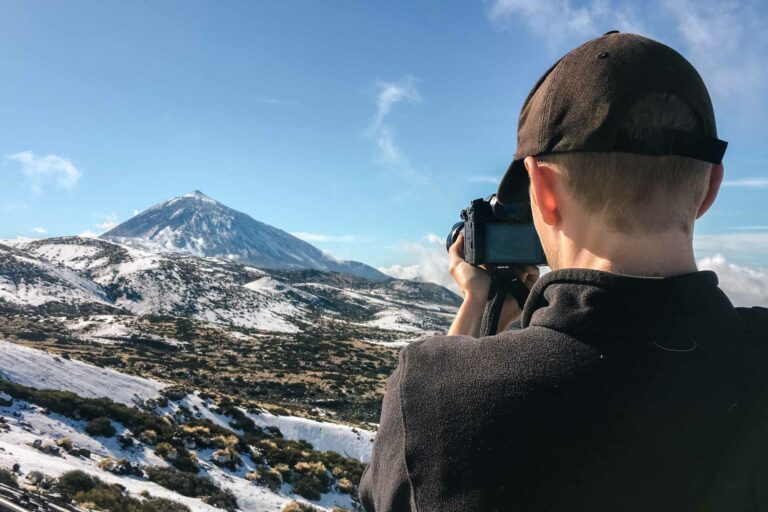
What camera, drone and accessories we use to capture life on the road
Read moreThanks for reading our Ayutthaya guide
Thank you for reading our Ayutthaya travel guide. We hope it has been helpful!
What do you think about Thailand’s old capital? Do you know what to see in Ayutthaya now?
If you’ve made it this far, hopefully you now have a good overview of the best things to do in Ayutthaya and can start planning your visit.
If you’ve been to the city, it would be awesome to hear your best tips and tricks.
If you haven’t been yet, please don’t hesitate to ask us anything in the comments below. We’re happy to help.

Our favourite travel resources:
- Booking.com for hotels and apartments.
- Momondo for the best flight deals.
- AirHelp for flight delay compensation.
- GetYourGuide for great tours everywhere.
- Airalo for reliable eSIM.
- Discover Cars for transparent car hire.
- SafetyWing for travel insurance. We also like True Traveller. Compared here.

Where to Stay in Ayutthaya: The Best Hotels in All Price Ranges
Our recommendations for the best places to stay in Ayutthaya, Thailand (from budget guesthouses to luxury hotels)
-
Ayutthaya Day Trip from Bangkok: How to Visit & What to See
How to get to Ayutthaya from Bangkok, must-see temples and our best tips to visit the ancient capital
-
Where to Stay in Bangkok: The Best Hotels & Areas
Our recommendations for the best places to stay in Bangkok from budget to luxury


.jpg)