
A plateau full of possibilities
Alpe di Siusi (or Seiser Alm in German) really has it all, from green meadows and wild views to dramatic peaks and more hiking trails than you could possibly fit into one trip.
In summer, it’s a dream for hiking and cycling. Come winter, it turns into a vast ski area with some of the most spectacular views in the Dolomites.
We’ve been lucky enough to visit both in early November, just as the first snow had settled, and in June, with weather swinging between rain showers and glorious sunshine.
However, we haven’t been skiing here ourselves, so we can’t tell you much about the pistes.
Whatever the season, it’s hard not to be wowed by this huge alpine plateau 2,000 metres up.
There are trails in every direction, the scenery keeps changing, and cosy mountain huts are never far away if you fancy a break.
In this travel guide to Alpe di Siusi, we’ll walk you through how to get there, practical info on cable cars and parking, hiking routes, the best time to visit, where to stay and our top tips for making the most of it.
Where to stay on Alpe di Siusi
- Value for money: Paradiso Pure.Living – Vegan hotel with a spa and magnificent mountain views, right on Alpe di Siusi. We stayed for three nights and absolutely loved it.
- Luxury: COMO Alpina Dolomites – Central five-star hotel with spa, pools, in-room yoga and ski-in/ski-out access in winter.
- Luxury: Hotel Steger-Dellai – Modern rooms, spa and great views of the Sciliar mountain.
Search for the best hotels on Alpe di Siusi here or read our comprehensive guide to where to stay in the Dolomites.
Table of contents
- What is Alpe di Siusi?
- Why visit Alpe di Siusi
- How to get to Alpe di Siusi
- Our experiences at Alpe di Siusi
- Hiking routes and viewpoints on Alpe di Siusi
- Practical information about Alpe di Siusi
- When to visit Alpe di Siusi
- How long to spend at Alpe di Siusi
- Where to stay on Alpe di Siusi
- Our best tips for Alpe di Siusi
- Sustainable travel tips

What is Alpe di Siusi?
Alpe di Siusi is Europe’s largest high alpine meadow.
That means the landscape is surprisingly open and relatively flat, despite being high up in the mountains.
It’s a rare sight in the Alps, where the terrain is often steep and rugged.
Here, wide, green meadows and soft hills spread out beneath dramatic peaks, creating a unique and striking contrast.
In winter, the area is part of the Dolomiti Superski network. In summer, it’s a popular base for hiking, cycling and nature walks.
The plateau is surrounded by some of the Dolomites’ most beautiful and well-known mountains, and it borders several different towns.
For most of the year, the only way up is by cable car – unless you time your visit carefully.
We’ll go into the details later in our travel guide to Alpe di Siusi.


Alpe di Siusi or Seiser Alm?
When you travel around the Dolomites, you’ll quickly notice that many places have two different names – and sometimes even three.
Usually, there’s an Italian name, a German name, and in some areas, a third in Ladin, which is an ancient language still spoken by some locals.
This applies not just to mountains and natural spots, but also to towns, roads and road signs.
After World War I, Italy took control of the region from Austria, and over 16,000 place names were Italianised, a project that had already begun during the war.
This happened even though the vast majority of people living here spoke German (which is still the case today).
In South Tyrol, most people speak German as their first language.
It can feel a bit confusing at first, but you get used to it!
In this guide, we use the Italian names and give the German name in brackets the first time a place comes up.
Map of Alpe di Siusi
Alpe di Siusi lies in the South Tyrolean part of the Dolomites in northern Italy.
The plateau covers around 56 km², sitting between 1,680 and 2,350 metres above sea level.
It’s surrounded by some of the Dolomites’ most iconic peaks, including Sassolungo (Langkofel), Sasso Piatto (Plattkofel) and Sciliar (Schlern), with Marmolada on the horizon.
Alpe di Siusi overlooks the towns of Siusi allo Sciliar (Seis am Schlern), Castelrotto (Kastelruth) and Ortisei (St. Ulrich) in Val Gardena (Gröden).
Why visit Alpe di Siusi
We love the dramatic landscapes of the Dolomites and their towering peaks, sparkling blue lakes and sheer cliffs.
But Alpe di Siusi has something a bit different to offer.
Its open, elevated landscape gives breathtaking views of the surrounding mountains, and we think the wide range of easy-to-reach walking routes is simply brilliant.
With gentle slopes and mostly flat terrain, the area is easy to explore whether you’re hiking, cycling, cross-country skiing or travelling with children.
Many paths are flat or only slightly hilly, so you can enjoy nature without tackling tough climbs.
In winter, the plateau transforms into a peaceful ski area, with wide pistes and stunning snowy views rather than steep, challenging runs.


How to get to Alpe di Siusi
By car
To keep traffic down, you usually need to take the cable car up to Alpe di Siusi.
You can drive up, but during the summer and winter seasons, there are daytime restrictions.
The road is closed to private vehicles between 9:00 and 17:00, so if you want to drive yourself, you’ll need to arrive early in the morning or later in the evening.
If you’ve booked a stay at one of the few hotels on the plateau (which we highly recommend!), you’re allowed to drive all the way up on arrival and departure days during summer.
In winter, though, the snow makes driving on to your hotel impossible.
Instead, you park in Compaccio (Compatsch) on the plateau.
From there, most hotels offer a free shuttle from the car park to your accommodation – at least that was the case at the hotel where we stayed.
It’s worth checking with your hotel about how they handle transfers. Some are even within walking distance.

By cable car
Alpe di Siusi is easiest to reach by cable car.
The most popular departure point is the town of Siusi allo Sciliar, where a modern cable car (gondola) takes you up to the plateau in less than 15 minutes.
This cable car usually runs from late May until early November, and again through the winter ski season. It’s simple to use.
You can also travel up from Ortisei in Val Gardena.
From there, another gondola goes directly to the area around Al Sole (Mont Sëuc in Ladin), in the western part of Alpe di Siusi. This is a great option if you’re already staying in Val Gardena.
Several other cable cars and chairlifts operate at different times throughout the season.
Both gondolas and chairlifts typically allow you to bring your bike.
Cable car tickets aren’t exactly cheap, though discounts are available for children, young people and seniors.
You can check prices, opening times and other practical details about the cable cars here.

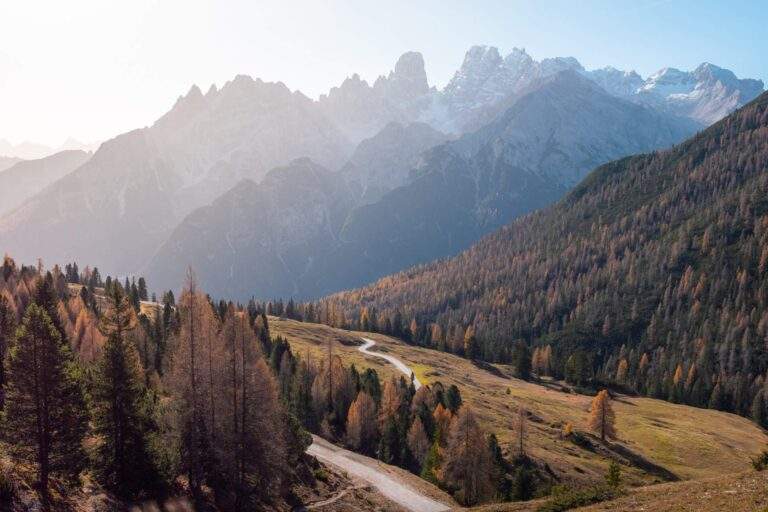
Hiking guide with everything you need to know about Monte Specie, including parking, route and our best tips
Read moreParking at Alpe di Siusi
When the gondola is closed during the low season (mid-April to mid-May and early November to early December), the road to Compaccio remains open all day.
During this time, parking at the P2 car park costs 15 euros* per day for cars (~ 17.5 USD).
In the high season, the road up to Alpe di Siusi is closed to private cars during daytime hours to protect the natural environment and ensure a pleasant visit for everyone.
To park on the plateau, you must arrive before 9:00 or after 17:00.
The P1 Spitzbühl car park is a little further from the “centre” and costs 15 euros* per day (~ 17.5 USD), while parking at P2 in Compaccio costs a hefty 30 euros* per day for cars (~ 35 USD) in the high season.
If you drive up after 17:00, parking at P1 is free.
Since summer 2026, you must reserve your parking spot online in advance – at both P1 and P2. Bookings open six days before your visit.
You’ll also need to enter the car park by 9:30 at the latest, or your reservation lapses without a refund.
Note: Parking is not allowed on Alpe di Siusi between 23:00 and 5:00, both at P1 and P2. The barriers are locked overnight, and fines are issued.
At the station in Siusi allo Sciliar, where most visitors take the gondola, there are several parking options.
There’s a large, free gravel car park, which can fill up during the high season, and two multi-storey car parks charging 2-2.50 euros* per hour (~ 2.5-3 USD) with a maximum daily fee of 8-12 euros* (~ 9.5-14 USD).
If you have a reservation at a hotel on Alpe di Siusi, you’re allowed to drive up to your hotel at any time on arrival and departure days.
Read more about parking and check the latest prices here.
*Prices are from 2026.
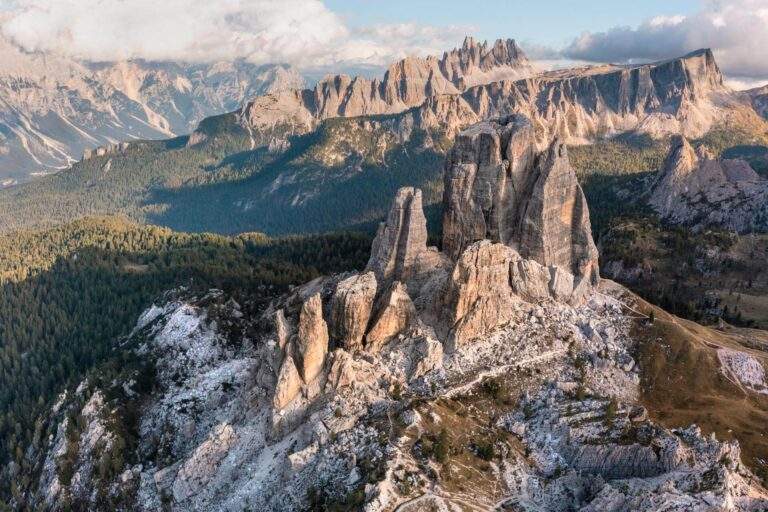
A travel guide to our favourite hikes in the Dolomites – from short walks to full-day adventures
Read moreOur experiences at Alpe di Siusi
First snow (early November)
Our first visit to Alpe di Siusi was in early November, when a thin layer of snow had already settled.
We took a day trip to explore the area.
From Siusi allo Sciliar, we caught the cable car up to Compaccio and set off towards the Bullaccia (Puflatsch) mountain.
We followed a route along the edge of the plateau, with views looking down into Val Gardena and across to Seceda in the Gruppo del Puez (Puez-Odle).
On the way back, we enjoyed the stunning sights of Sassolungo and Sasso Piatto.
We stayed almost until sunset and caught the last gondola down.
It was a wonderful experience that inspired us to return and explore even more.


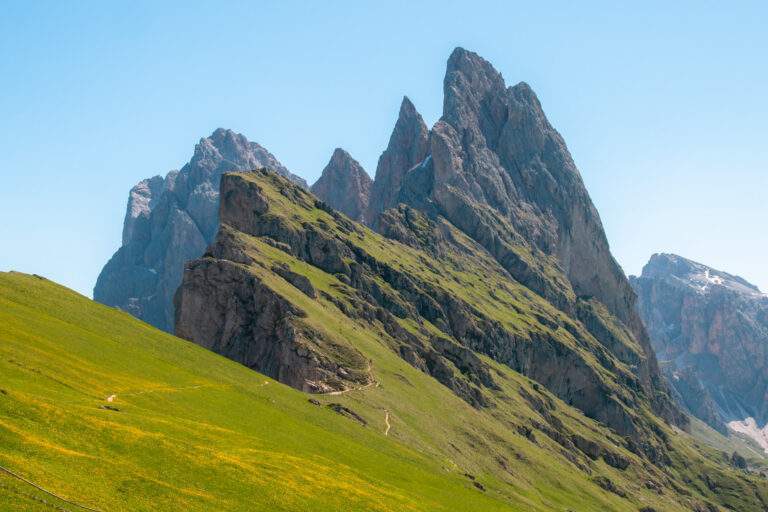
All you need to know about visiting Seceda – how to get there by cable car and our best tips
Read moreSummer
We returned in June and stayed three nights at Paradiso Pure.Living (adlink).
This time, we had the chance to explore much more of the plateau.
We tried several routes of varying difficulty, and Alex even went mountain biking to discover the area on two wheels.
The views were simply magical – no matter where we looked, the dramatic mountains and idyllic landscapes never failed to impress.


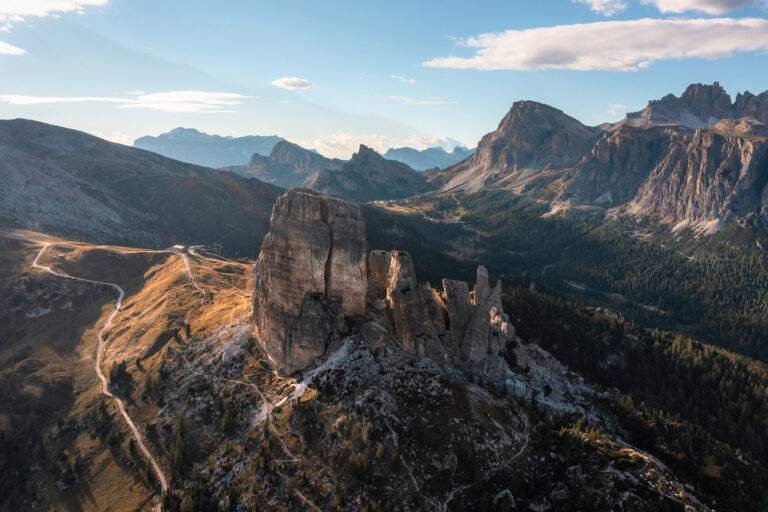
Guide to visiting Cinque Torri – walking routes, cable car, parking and our best tips
Read moreHiking routes and viewpoints on Alpe di Siusi
The range of hiking routes on Alpe di Siusi is impressively wide, and the best part is that many can be combined or adapted to suit your fitness level and mood.
You could enjoy a gentle morning stroll with the kids, or set out on a full-day adventure with climbs and mountain passes.
If you’re planning your own route, a good place to start is by hiking to one of the many mountain huts scattered around the plateau.
They’re perfect for a convenient bite and drink (when open during the high season), before you either head back the way you came or continue on a different path.
Below, you’ll find some suggestions for hiking routes and viewpoints on Alpe di Siusi with links to routes and detailed descriptions.

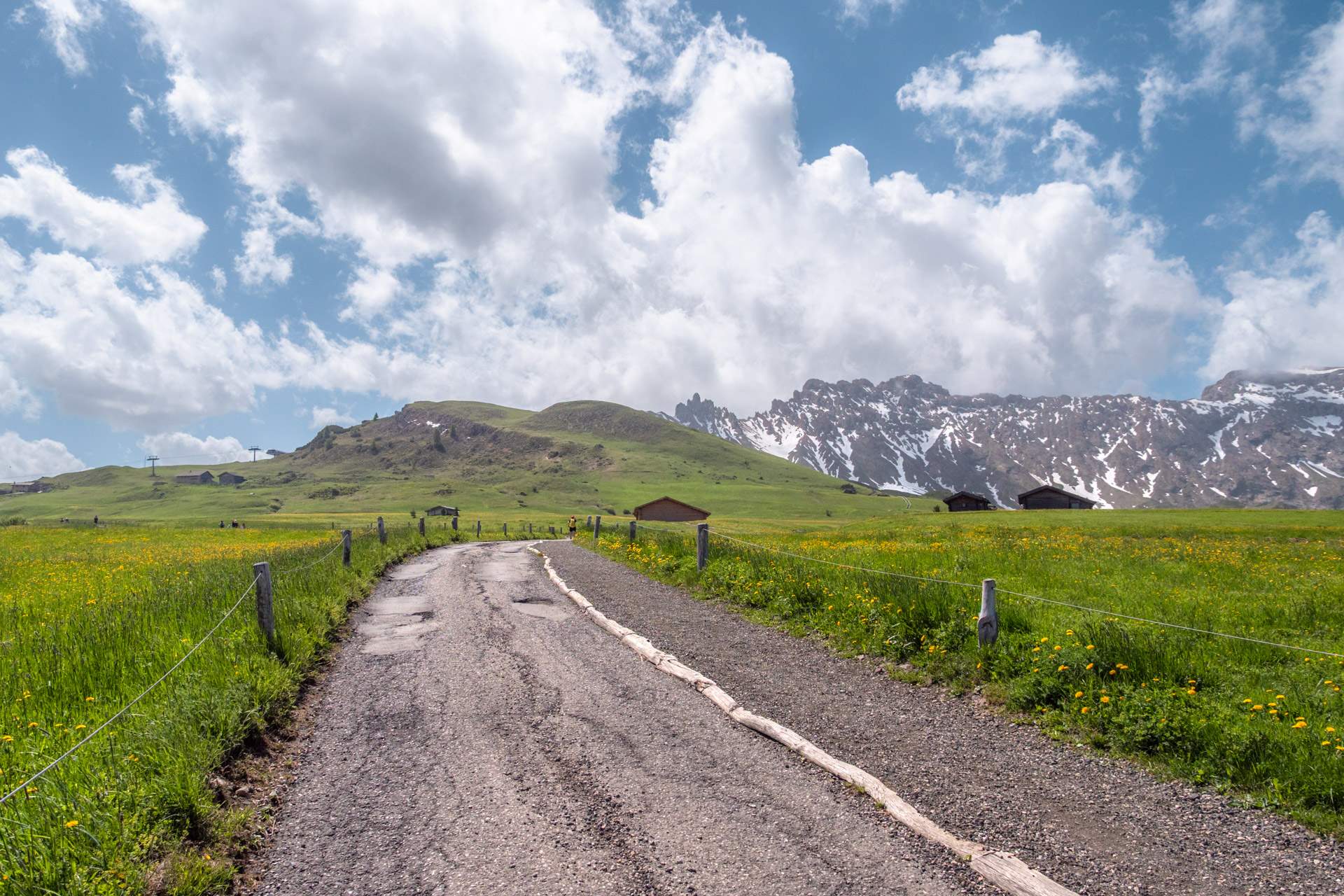
Sciliar
The southwestern part of Alpe di Siusi is probably the most dramatic, with sharp peaks rising like a wall above the plateau.
Both Rifugio Bolzano (Schlernhaus) and Rifugio Alpe di Tires (Tierser-Alpl-Hütte) are here.
You can choose to hike to one of them. For example, one is about 8.4 kilometres (~ 5.2 miles) from Compaccio. Alternatively, you can combine them in a big, epic loop of around 22.5 kilometres (~ 14 miles) with significantly more elevation gain.
Bullaccia
The northwestern part of Alpe di Siusi sits slightly higher in the landscape.
From here, you get beautiful views all around, especially over Val Gardena and the Gruppo del Puez (Puez-Odle), including Seceda.
Bullaccia is easy to reach on foot from Compaccio. For example, try this round trip, which covers 8.5 kilometres (~ 5.3 miles) with 359 metres (~ 1,178 feet) of elevation gain and takes around 2.5 to 3 hours.
We did this ourselves on our winter visit.

Hans and Paula Steger Trail
This quiet, mostly flat path runs from Compaccio to Saltria. During the high season, you can catch the Almbus back to the start.
The route is roughly 9 kilometres (~ 5.6 miles) long, with just over 200 metres (~ 660 feet) of elevation gain.
Climbing Sasso Piatto
Sasso Piatto is one of the highest peaks in the Sassolungo group and the only one that can be climbed relatively easily on foot.
The hike, which leads to a cross at 2,958 metres, starts from Rifugio Sasso Piatto. This mountain hut can be reached either from Saltria or the Sella Pass.
From Rifugio Sasso Piatto, there are about 650 metres (~ 2,130 feet) of ascent to the summit – a roughly 5-kilometre (~ 3.1-mile) round trip. It’s a steep climb, so be prepared.
Alternatively, you can simply visit Rifugio Sasso Piatto itself and enjoy the expansive views from there.

Hiking with children
The Alpe di Siusi area has plenty of easy, accessible trails that are perfect for families with children of all ages.
The flat or only slightly hilly routes offer a great opportunity to enjoy nature without tackling steep or challenging terrain.
There are even several paths suitable for prams and pushchairs. You can find an overview here.
You can also read more about visiting the Dolomites with children.

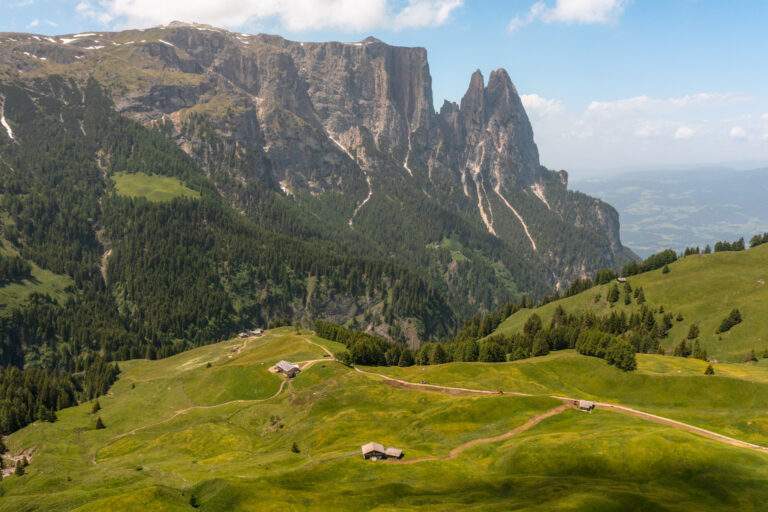
Child-friendly hikes, viewpoints, playgrounds, climbing parks and lakes for the whole family
Read morePractical information about Alpe di Siusi
Opening hours
Alpe di Siusi is technically open around the clock all year, but there are still a few restrictions to keep in mind.
Cable car opening hours vary by location and season, and some cable cars close completely for parts of the year.
If you’re arriving by car, access to the plateau is limited during the day in the high season, and parking is prohibited all year from 23:00 to 5:00.
Scroll up in our Alpe di Siusi guide to read more about cable cars, driving restrictions and parking.
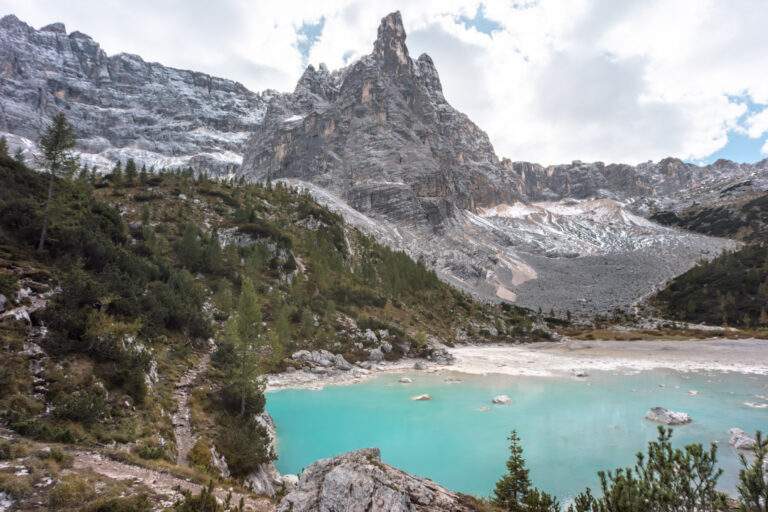
All you need to know about hiking to Lago di Sorapis, including parking, hiking route and our best tips
Read morePrice
The Alpe di Siusi area is free to visit.
Cable cars and parking do cost money, and prices vary depending on the season. You can read more about that above in our section on how to get to Alpe di Siusi.
The cheapest way to visit is to drive up to the plateau (during the permitted hours) and park at the P1 Spitzbühl car park, which is a short walk from Compaccio. In the high season it’s half the price of P2 – and free if you drive up after 17:00.

Toilets
There are public toilets at the main cable car stations serving Alpe di Siusi and at several of the larger lifts.
Out on the trails, you’ll also find toilets in many of the mountain huts and restaurants along the way.
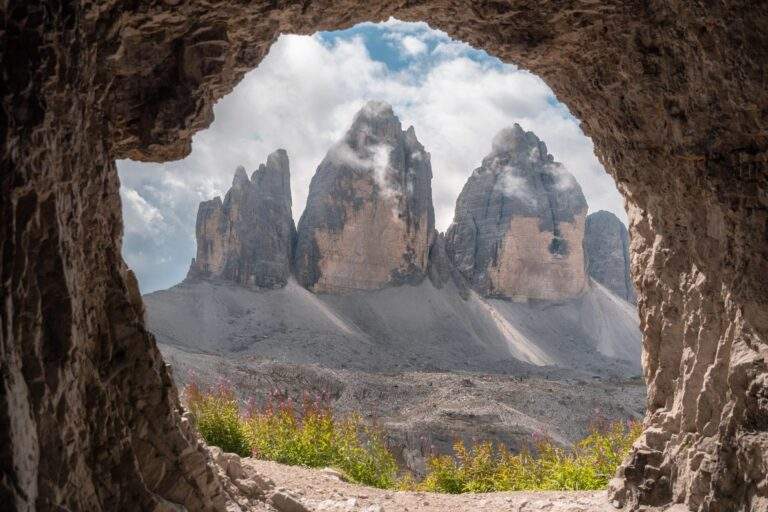
Travel guide to one of the best hikes in the Dolomites – route, highlights, facilities and our top tips
Read moreFood and drink
Along the hiking trails, you’ll find plenty of mountain huts and restaurants where you can buy food (typically local specialities) and something to drink.
Just keep in mind that many of them close outside the high season.
You can also eat at the hotels on the plateau, which usually offer high-quality meals – though often at slightly higher prices.
We really enjoyed the food at Paradiso Pure.Living (adlink).
Of course, you can always bring a packed lunch and stop for a picnic when hunger kicks in.
There are also several drinking water fountains along the trails where you can fill up your bottle with fresh mountain water, so bringing a refillable bottle is a good idea.
See the many huts and restaurants here, along with their opening times and locations.


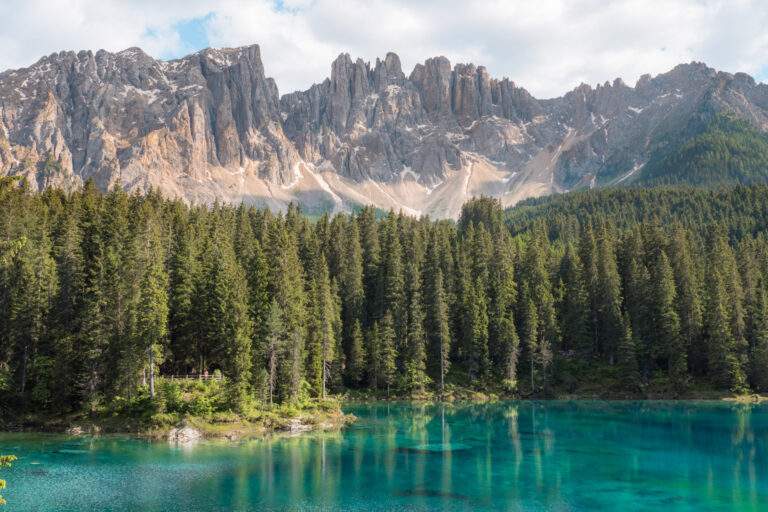
All you need to know about Lago di Carezza – parking, walking routes and our best tips
Read moreWhen to visit Alpe di Siusi
When to visit Alpe di Siusi really depends on what you’re hoping to experience – and how many others you’re happy to share it with.
It’s beautiful all year round!
Below, we go through what to expect in different seasons and times of day.
Mountain weather can change quickly, no matter the time of year, so it’s smart to dress in layers and check the forecast before heading out.

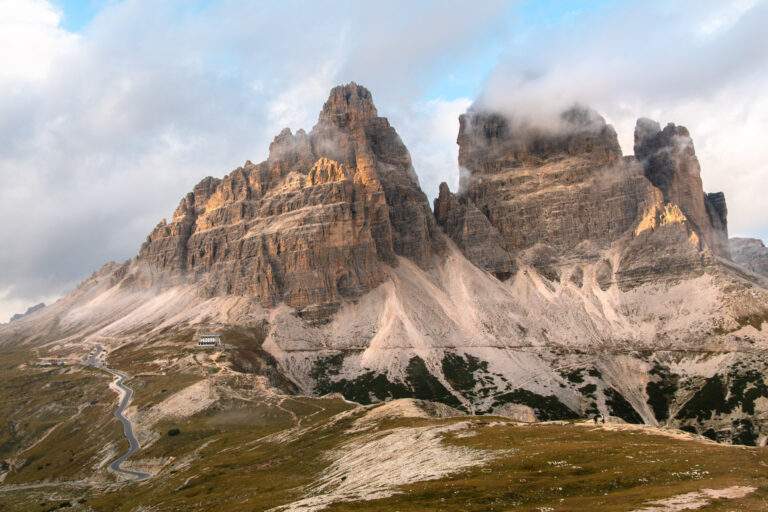
When to travel to the Dolomites and what to expect – whether you’re into skiing or hiking
Read moreSeasons
Spring (April and May)
The transition from winter to spring varies from year to year, but skiing is usually possible well into April, as Alpe di Siusi sits at a high altitude.
As temperatures rise and the snow begins to melt, alpine flowers start to bloom, bringing colour to the meadows, while the mountain peaks often stay snow-covered a little longer.
The weather remains cool due to the elevation, so it’s wise to pack warm clothes.
On the bright side, there are fewer visitors during this period, making it a lovely time for peaceful hikes in fresh spring air.
Just note that some lifts and hotels don’t open until May or even June.


Summer (June to August)
The summer months are the high season for hiking, cycling and enjoying nature.
Everything is open. Cable cars run regularly, you can stroll from one mountain hut to another, and restaurants serve delicious lunches. Hotels are also open and taking bookings during this time.
The weather is usually steady with pleasant temperatures.
When it gets too hot down in the valley, the cooler air on the plateau offers a welcome relief.
That said, August can bring temperatures up to 30°C (86°F) with strong sunshine.
Summer is also the busiest season, so expect more people on the trails.
We spent a few days on Alpe di Siusi in early June ourselves, experiencing both a bit of rain and beautiful sunny days warm enough for shorts and a T-shirt.

Autumn (September to November)
Late summer and autumn are still perfect for hiking, but with fewer visitors and fresher air.
The colours turn to golden and red hues, and the peaceful atmosphere offers a very different experience compared to summer.
Temperatures begin to drop, and the weather becomes more changeable. It’s wise to pack a rain jacket and warm layers, as well as shorts and T-shirts for the warmer days.
By October and November, snow can start to dust the Sciliar massif.
We took a day trip to Alpe di Siusi in early November when a light layer of snow had already settled, but hiking was still easy.
Note: Many chalets and hotels close at the end of October, and some cable cars pause operations until the ski season begins.


Winter (December to March)
When the snow arrives, the plateau transforms into a peaceful ski area linked to Val Gardena‘s slopes and the Dolomiti Superski network.
The ski season usually starts in early to mid-December and is ideal for families and beginners.
You’ll also find cross-country trails, winter hiking routes and plenty of other activities to enjoy in the snowy landscape.
Temperatures often drop below freezing, especially at night.


Time of day
The best time of day to visit Alpe di Siusi is either early morning or late afternoon if you want to avoid the crowds and enjoy the beautiful light for photos.
Staying at one of the hotels on the plateau makes this easier.
Otherwise, be sure to check the cable car schedules for the first and last trips of the day.
If you’re driving, remember to get up the road before it closes during the high season (between 9:00 and 17:00). Also, there’s a parking ban from 23:00 to 5:00.
Mornings are perfect if you want to escape the strongest sun and enjoy fresh air with pleasant temperatures.
Afternoons can get warm in summer, but it’s still a lovely time to stroll and soak in the stunning scenery.


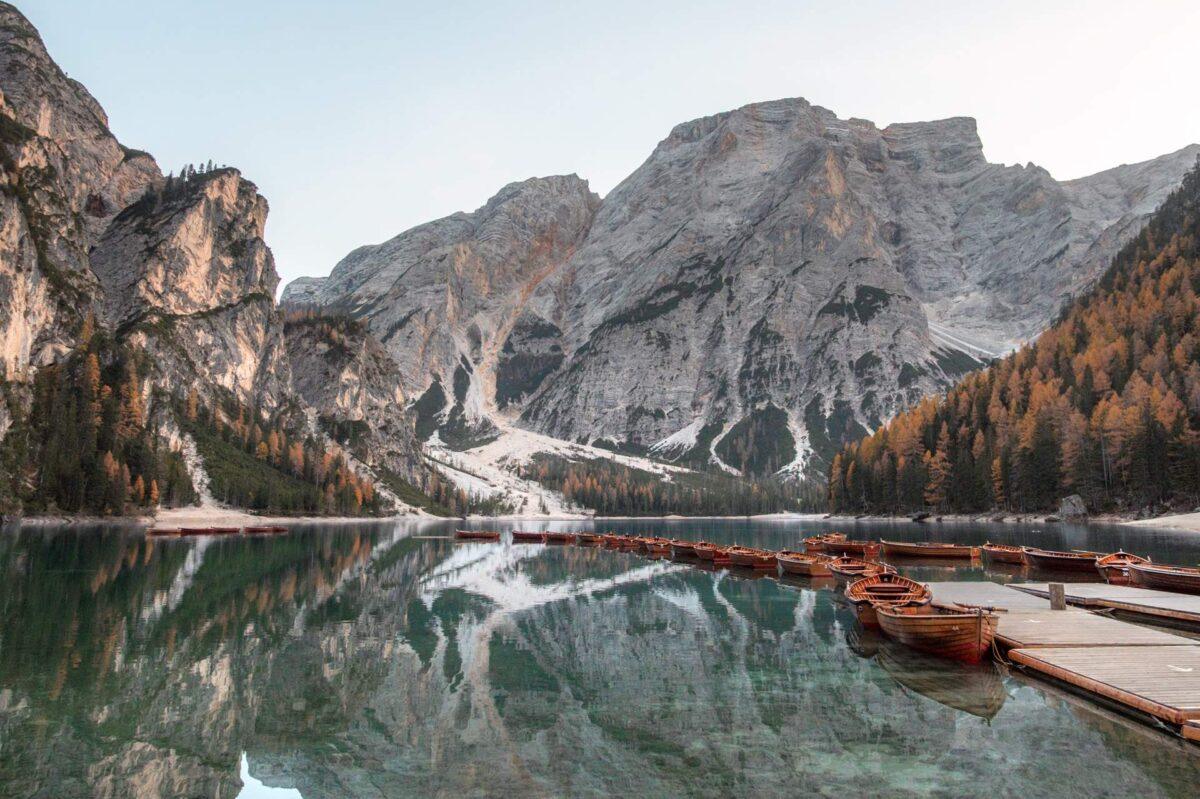
What to know before you go to Lago di Braies – including parking, the lake walk and our best tips
Read moreHow long to spend at Alpe di Siusi
How long you should spend on Alpe di Siusi depends on what you want to get out of it.
A day trip to the plateau is easily enough to take in the views and perhaps do a short hike or two – that’s how we experienced it the first time.
You can take the cable car up, wander around and soak in the impressive scenery for a few hours or from morning until evening.
If you have the time, it’s definitely worth staying for several days. With so many wonderful hiking trails, cycling routes and stunning views, 2 to 4 days in summer is ideal.
If you’re skiing and want to hike and relax as well, 4 to 6 days might suit you better.
When we returned in the summer, we stayed for three nights.
We loved having plenty of time to explore the area and enjoy the hotel’s pool, spa and delicious food. We hope to visit again one day!


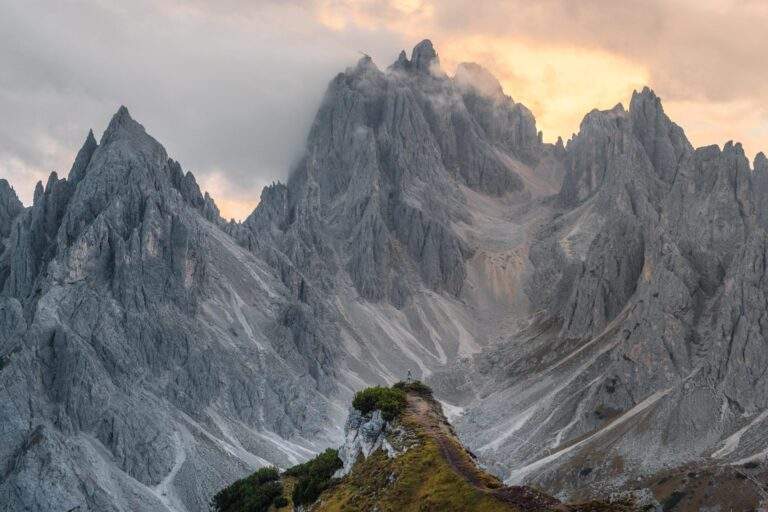
Travel guide to the dramatic viewpoint near Tre Cime di Lavaredo
Read moreWhere to stay on Alpe di Siusi
If you have the time and budget, we highly recommend staying on Alpe di Siusi.
There are plenty of activities and walking routes to easily fill several days.
Plus, you’ll get to enjoy the special peace of early mornings and late evenings, when the cable cars aren’t running and the area feels almost deserted. Absolutely fantastic!
You can search for the best hotels on Alpe di Siusi here (adlink), or check out our hotel recommendations below.
Paradiso Pure.Living
We stayed three nights at Hotel Paradiso Pure.Living in June and absolutely loved it!
The hotel sits right on the Alpe di Siusi plateau in a quiet yet central spot, at 2,000 metres altitude – right by the ski slopes in winter and the hiking trails in summer.
Our room was lovely, with a large terrace facing south towards the jagged peaks of the Denti di Terrarossa (Rosszähne) massif.
The hotel has an indoor saltwater pool as well as a warm saltwater hot tub, each offering stunning views of the iconic Sassolungo and Sasso Piatto mountains. Simply breathtaking!
There’s also a hay sauna infused with wild, local alpine herbs, plus a Finnish sauna, an infrared sauna and a steam bath.
And then there’s the food. Everything is vegan, but don’t let that put you off if you don’t follow a plant-based diet.
Most dishes are local and organic, and they taste fantastic while looking like something from a Michelin-starred restaurant.
Every evening we enjoyed the hotel’s five-course menu, and each time it was a real pleasure.
See prices and availability at Paradiso Pure.Living (adlink).
You can also read our review of the hotel with plenty of photos and even more details.


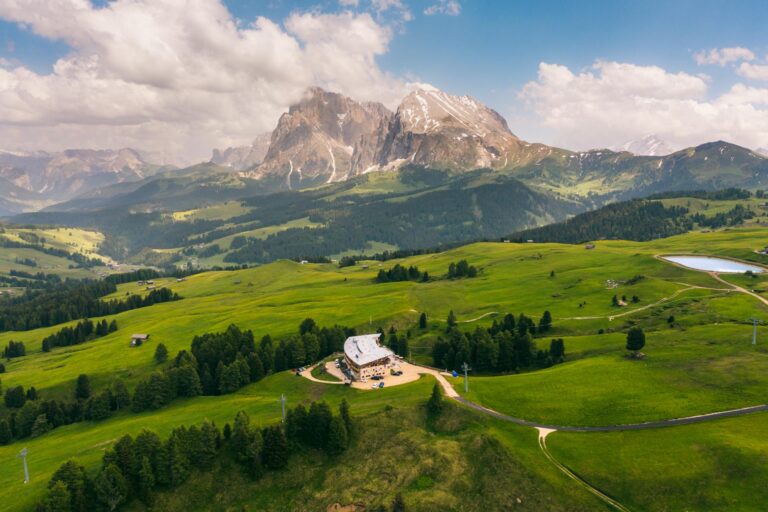
We review our stay at Paradiso Pure.Living in the Dolomites, South Tyrol, Northern Italy
Read moreCOMO Alpina Dolomites
If you’re dreaming of a five-star experience in the middle of the South Tyrolean Alps, COMO Alpina Dolomites is an excellent choice.
The hotel is part of the exclusive COMO group and enjoys a prime location just next to Compaccio.
Its 60 elegant rooms all have views of the surrounding mountains, king-size beds, personal yoga mats and even meditation videos available on the TV.
Facilities include both indoor and outdoor pools, a sauna, a steam bath and a fitness centre.
In winter, the hotel is especially convenient for skiers, with true “ski-in/ski-out” access – you can clip on your skis right outside the door and glide straight onto the slopes, then return just as easily without needing a car or shuttle.
See prices and availability at COMO Alpina Dolomites (adlink).


Hotel Steger-Dellai
Hotel Steger-Dellai is located among trees on the plateau itself, about a 20-minute walk from Compaccio. From here, there’s a magnificent view of the Sciliar mountain.
This four-star hotel offers bright, simple rooms in a modern take on traditional alpine style, complete with a sofa, desk and balcony.
The spa area includes three saunas and a steam bath, and the restaurant (serving both international dishes and South Tyrolean specialities) gets great reviews.
See prices and availability at Hotel Steger-Dellai (adlink).

Where to stay near Alpe di Siusi
The Dolomites are generally a pricey place to stay, and unfortunately, that’s true for Alpe di Siusi as well.
Finding budget-friendly hotels on the plateau itself is tricky – in fact, it’s close to impossible.
If you’re looking to keep costs down, it’s a good idea to look at the nearby towns, where you can easily reach Alpe di Siusi by cable car or car.
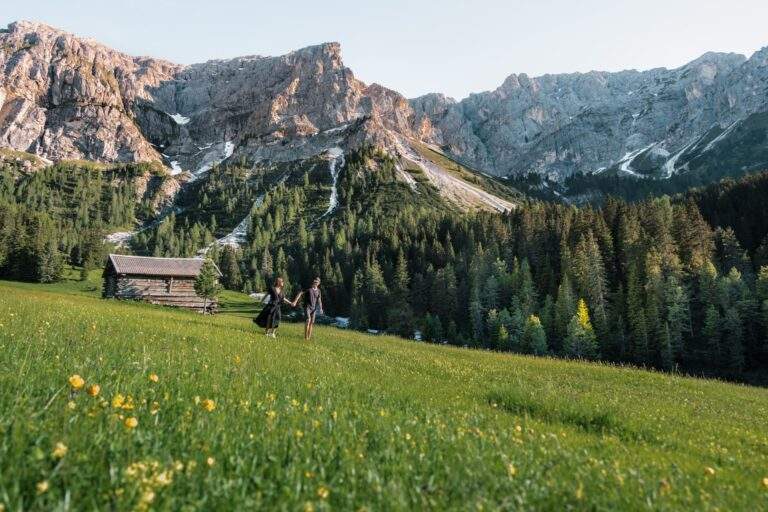
Our recommendations for the best places to stay in the Dolomites, Italy
Read moreTowns near Alpe di Siusi
- Siusi allo Sciliar: A small town at the foot of Alpe di Siusi, with a good selection of hotels, guesthouses and apartments. From here, it’s easy to take the cable car up to the plateau.
- Castelrotto: A cosy, historic town just north of Siusi allo Sciliar, known for its classic South Tyrolean charm. You’ll find both traditional and more modern hotels here. Access to Alpe di Siusi is straightforward via shuttle bus, car or cable car.
- Ortisei: A charming town in Val Gardena, about 25 minutes’ drive from the cable car station. It has lots of restaurants, shops and hotels, plus a direct cable car to the western part of the plateau. A great choice if you’d also like to visit the stunning Seceda.
- Santa Cristina and Selva: Two other towns in Val Gardena, well placed for visiting both Alpe di Siusi and Seceda. Selva is especially popular for skiing, with easy access to lifts and slopes.
- Bolzano (Bozen): If you prefer a larger city with lively streets, shopping and culture, Bolzano is a great option. Just 30 minutes by car from the cable car station, the South Tyrolean capital offers a wide range of hotels across different budgets. You can even fly directly to Bolzano Airport from some European cities.
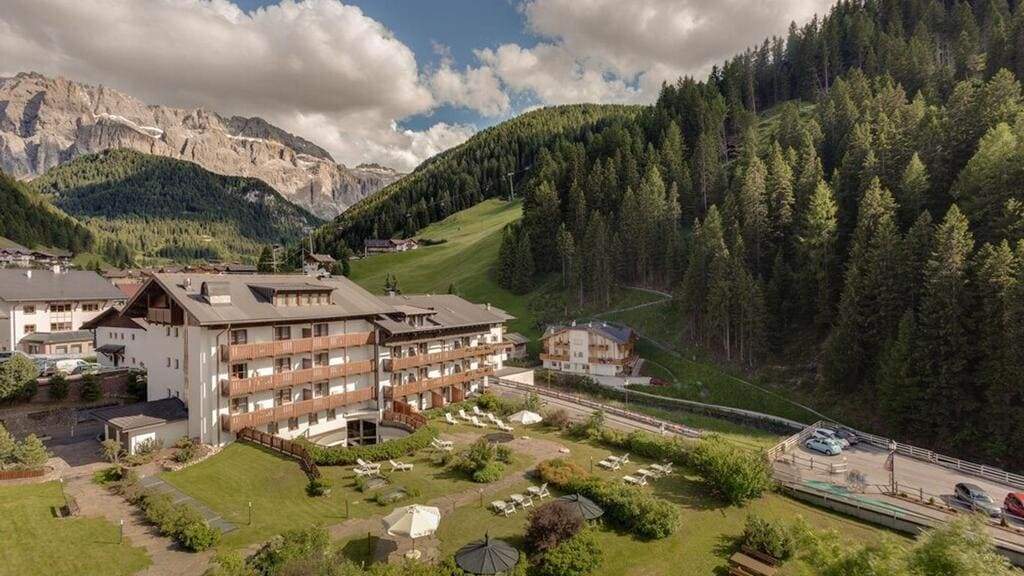
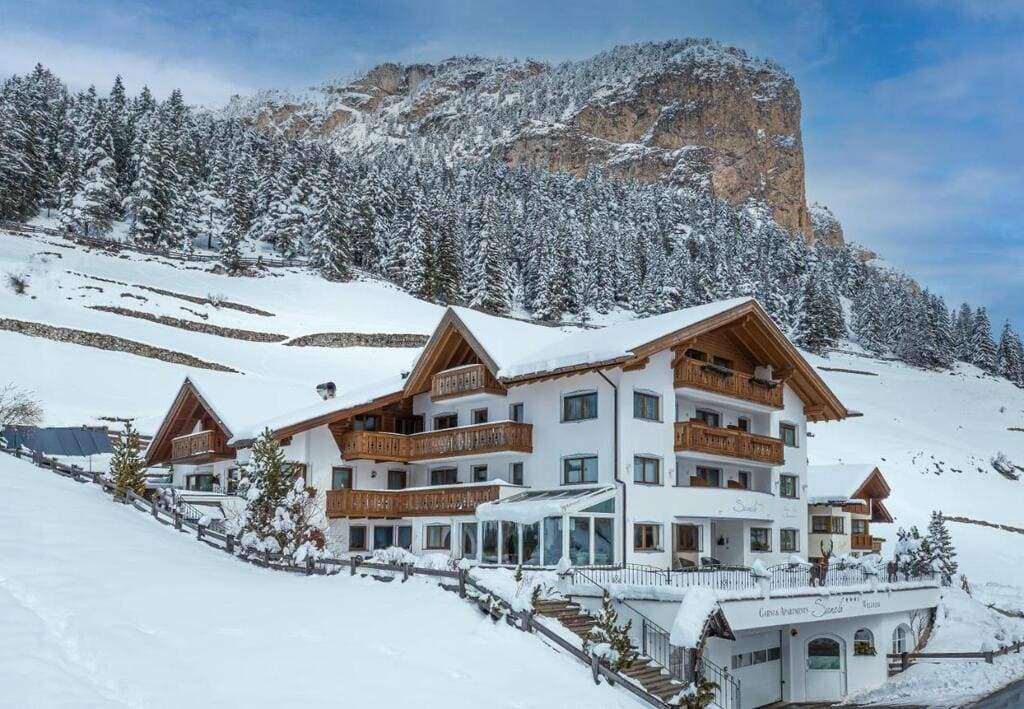
For more inspiration, you can read our comprehensive guide to where to stay in the Dolomites.





Our best tips for Alpe di Siusi
- Think about the season. In high season, there are traffic restrictions, and in low season, the cable cars don’t always run.
- Check cable car times. The first and last trips vary, and you don’t want to be stranded at the top without a hotel booked.
- Come early or late in the day if you’d like a quieter experience and softer light for photos.
- The sun rises later and sets earlier than the official times online – the surrounding mountains block the light.
- Stay on the plateau if you have the time and budget. It gives you the freedom to wander in the peaceful morning hours and stay until sunset without worrying about the cable car timetable.
- Follow the signs. Most trails are well marked with red and white flags (often with route numbers), though the time estimates can be a bit optimistic.
- Bring a good camera. Alpe di Siusi is incredibly photogenic – here is a guide to the equipment we use.
- Be prepared for sudden weather changes. Mountain weather can be unpredictable.
- Dress in layers to adjust to the changing temperatures at altitude.
- Wear proper shoes. Sneakers, hiking shoes or anything you can walk comfortably in will do.
- Walking poles are helpful if you already have them, but not a must.
- Pack food, water and snacks if you like the idea of a picnic with a view. Otherwise, there are plenty of huts and restaurants (in high season). You’ll also find drinking water fountains along the paths.
- Bring a headlamp if there’s a chance you’ll still be out around sunset.
- Use sunscreen and cover up – the sun can be strong at this altitude, especially in summer.
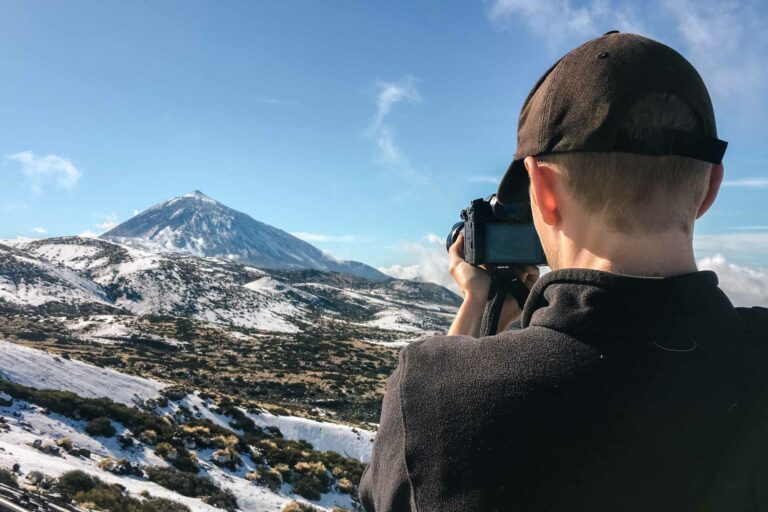
What camera, drone and accessories we use to capture life on the road
Read more
Sustainable travel tips
To travel as sustainably as possible, we recommend the following:
- Bring your own water bottle – there are free drinking water fountains along the trails.
- Avoid disposable plastics.
- Dispose of waste properly and don’t leave anything behind.
- Take only photos and leave only footprints. Avoid picking flowers or taking anything from nature with you.
- Stick to the marked trails.
- Show consideration for other visitors.
- Respect the local wildlife and avoid feeding grazing animals.
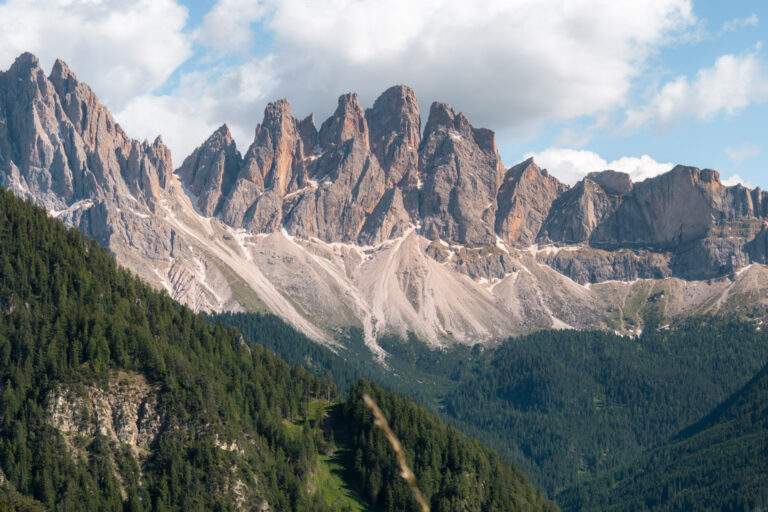
Practical tips + helpful advice to plan your Dolomites trip and enjoy every moment
Read more

Thank you for reading along
Thank you for reading our travel guide to Alpe di Siusi. We hope you’ve found it useful!
What do you think of the stunning high plateau in the Dolomites?
If you’ve already visited, we’d love to hear your best tips and recommendations.
And if you haven’t been yet, feel free to ask us anything in the comments. We’re happy to help!
More from the Dolomites
We absolutely love the Dolomites. Here are all our guides to the stunning mountains in northeastern Italy, with our best tips for hiking, viewpoints, where to stay, transportation and more.
Overview:
Hiking guides:
Our favourite travel resources:
- Booking.com for hotels and apartments.
- Momondo for the best flight deals.
- AirHelp for flight delay compensation.
- GetYourGuide for great tours everywhere.
- Airalo for reliable eSIM.
- Discover Cars for transparent car hire.
- SafetyWing for travel insurance. We also like True Traveller. Compared here.

Where to Stay in the Dolomites with Children: Best Family Hotels & Areas
Our recommendations for the best family-friendly hotels and areas in the Dolomites, Italy
-
Where to Stay in the Dolomites: Best Hotels & Areas for Hiking and Skiing Holidays
Our recommendations for the best places to stay in the Dolomites, Italy
-
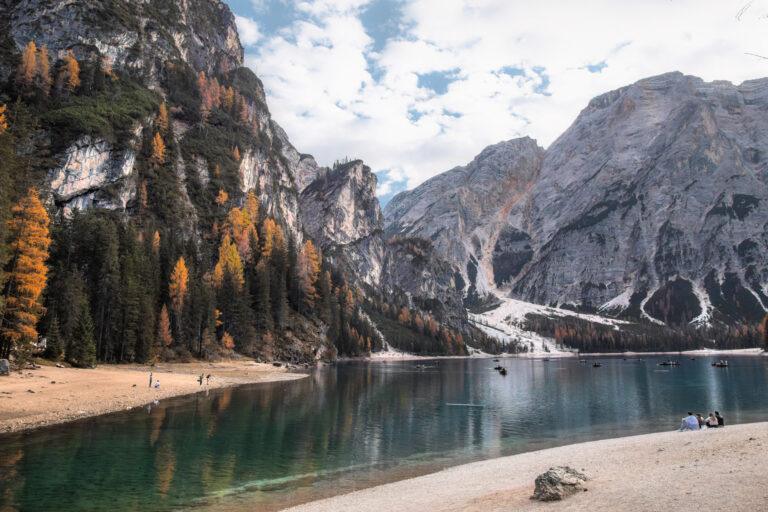
When to Visit the Dolomites? Weather, Seasons & Best Time to Go
When to travel to the Dolomites and what to expect – whether you're into skiing or hiking


Hi Alex and Victoria, congrats on Northabroad, it’s really helping us to plan our trip to Dolomitas. We will have 2,5 days in the Ortisei/Selva region on end of Sep/beginning of Oct and we plan to visit Seceda, Alpe di Siusi and Val di Funes (Rifuggio delle Odle). These visits are 1/2 to full day duration each, so, what do you suggest? Many tks! Bruno.